

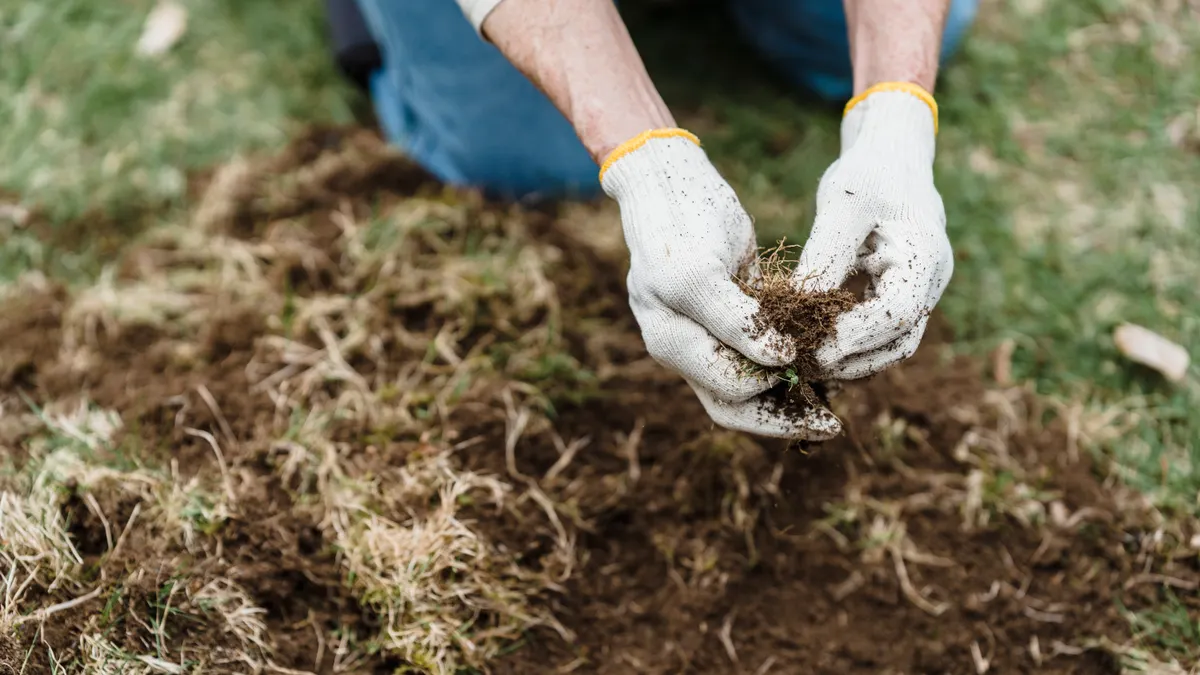
Last updated: October 25, 2026
Quick Answer: Most pet damage in sod can be repaired in 1 day for small spots, then protected for several days while it roots. The usual order is simple: flush the area, clean out weak grass, fill and level the spot, then patch with replacement sod or reseed only if the surrounding turf can support it. This guide explains how to repair pet damage in sod, including urine burns and traffic wear.
Key takeaways
- Urine damage needs water first, not fertilizer.
- Flattened, worn turf usually needs cleanup, fresh topdress mix, and a patch of replacement sod.
- A garden hose, a sharp knife, and a wheelbarrow are enough for most small repairs.
- The faster you remove dead tissue, the cleaner the patch blends.
- Training pets off a new lawn matters as much as the repair itself.
What kind of pet damage is in the sod?
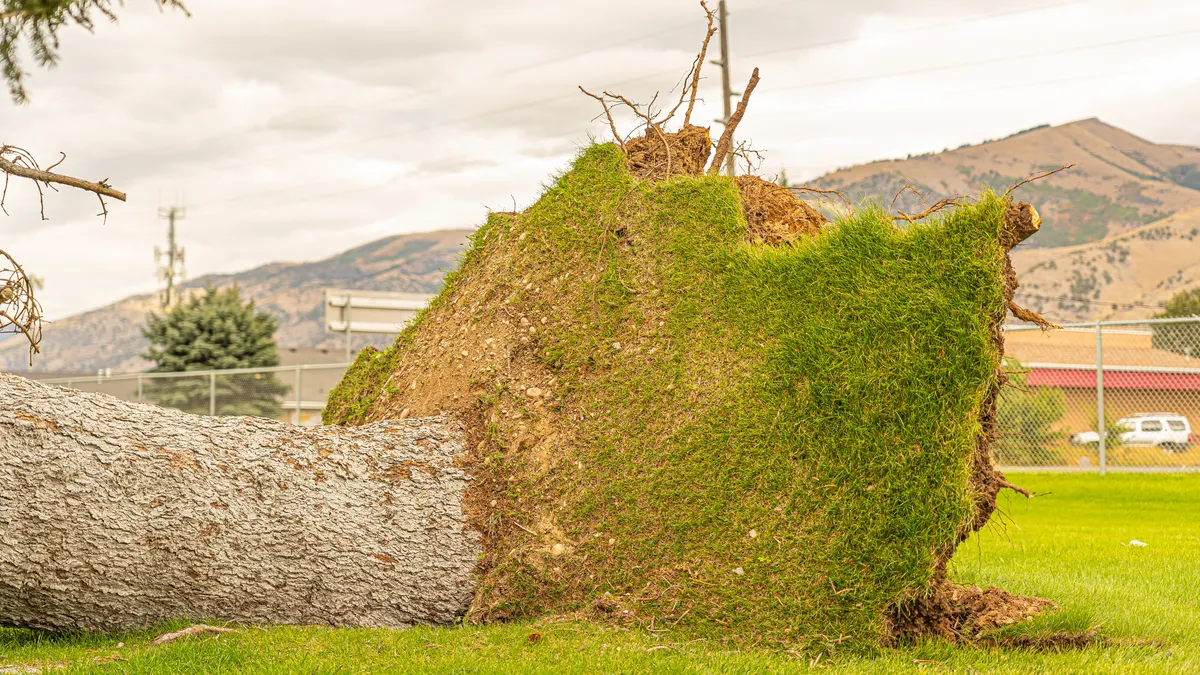
The repair starts by sorting the damage into two common types: dog urine spots and traffic wear. Urine usually shows up as a dark green ring around a yellow or brown center, while traffic damage looks thinned, matted, or muddy along a path, gate, or favorite resting place. A spot that has both problems needs both fixes.
Do not guess based on color alone. A single patch can be worn down, compacted, and burned by urine at the same time. If the grass is still alive at the edges, the repair is usually worth doing. If the crown is gone and the spot feels loose or hollow, you are dealing with dead turf, not just discolored grass.
For small areas under about 1 square foot, the job is often quick. For repeated pet paths, the real fix is not just patching one hole. It is changing how the pet uses the lawn, or the same strip will fail again in a few weeks.
If you want a broader lawn-care sequence after this repair, the hub on sod aftercare, maintenance, and troubleshooting is the right place to go next.
What you need before you start
You need a garden hose, a sharp utility knife or edging knife, a flat rake, a bucket or wheelbarrow, a topdress mix, and enough replacement sod to match the patch. For most yards, a bagged topdress mix that is mostly screened topsoil with a little compost works better than straight compost, which can sit too high and stay too wet.
Have a shovel ready if the damaged area is bigger than a dinner plate. A hand tamper helps level soft spots, but the back of a shovel works for small repairs. Keep a pair of gloves nearby because pet-worn turf often hides compacted soil, roots, and loose debris.
Match the replacement sod as closely as possible to the grass already on the lawn. A perfect color match is not required on day one, but close texture and blade width matter. If the damaged area is in shade and the rest of the lawn is in sun, the patch may need extra time to blend and may still read slightly different.
If the soil is hard as a sidewalk, water it the day before. Dry, compacted soil makes the patch sit high and loose.
For more basic setup help, see the lawn repair tools page and the sod installation guide before you start.
How do you repair pet damage in sod?
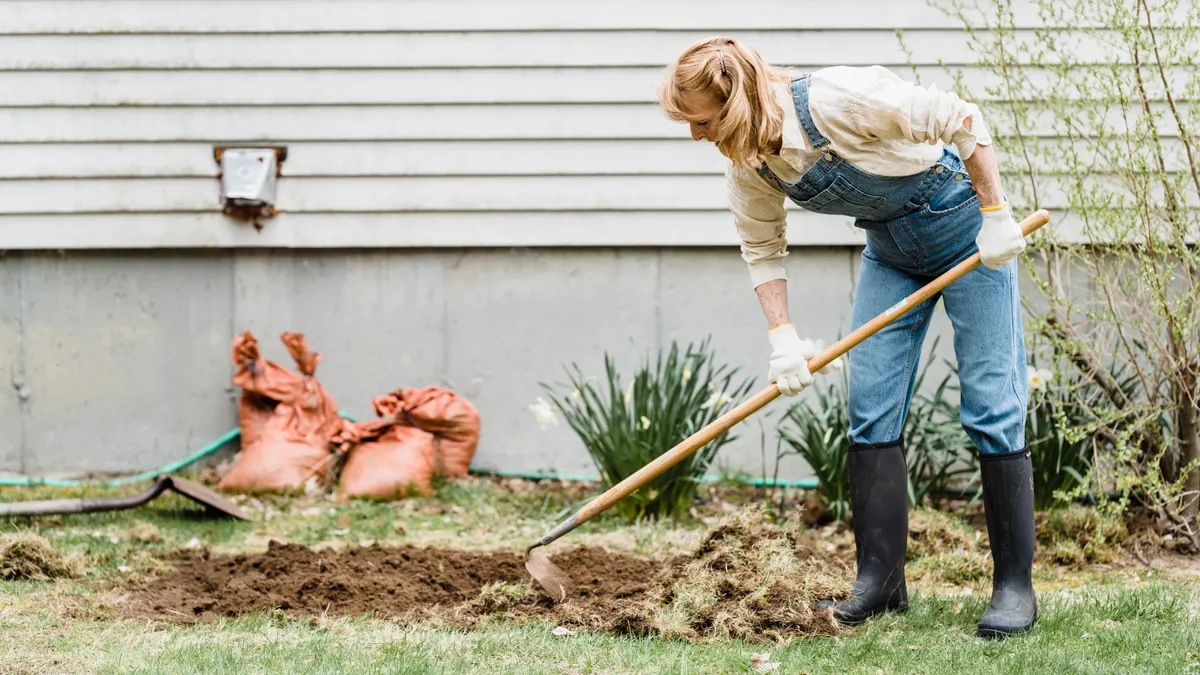
You repair pet damage in sod by watering out the urine, removing dead or shredded grass, leveling the soil, and installing a tight patch of replacement sod. The patch should sit flush with the surrounding lawn, not above it, or the edge will dry out and roll. For best results, follow a simple repair sequence rather than rushing to lay the new piece.
-
Rinse urine-affected turf with a garden hose for 2 to 5 minutes.
Soak the spot until water has clearly moved through the top layer of soil, not just the leaf blades. This dilutes salts in the root zone. The grass around the burn should look evenly wet, not just shiny on top. -
Cut out damaged grass in a clean shape.
Use a utility knife to make a square or rectangle around the bad area, usually 6 inches to 12 inches across for small spots. Straight edges make the patch fit tightly. When this is done well, the old turf lifts in one piece or peels away cleanly. -
Remove loose roots, dead thatch, and compacted debris.
Rake out anything brown, mushy, or matted. If the area was a pet path, scrape until the soil surface is level and crumbly rather than hard. The goal is a firm base that accepts the new sod without a ridge. -
Add a thin layer of topdress mix, about 1/4 to 1/2 inch.
Spread the mix only until the surface is even with the surrounding lawn. More than that can make the patch sit too high and dry out. If the soil is already level, skip the extra fill and keep the grade simple. -
Set the replacement sod into the opening and press the seams tight.
Cut the patch to fit the hole exactly. Push the edges together so there are no gaps wider than a pencil. A proper fit should disappear into the lawn when you stand a few feet away. -
Water the patch immediately until the sod and top 1 inch of soil are moist.
This is where a hose matters more than a sprinkler. The patch should feel anchored, not floating. For the first week, keep it evenly moist so the edges knit into the surrounding turf. -
Keep pets off the repair until the sod is anchored and the surface feels firm.
Short visits are enough to crush a fresh patch. If the pet must use the yard, block off the repair with stakes and light string or a visible barrier.
For a small urine spot, this is often all you need. For larger traffic damage, the same sequence works, but you may need a wider cut, more topdress mix, and a bigger replacement sod piece.
For step-by-step lawn repair help, the lawn care basics page and the pet-safe yard page can help with the next decision.
How to fix pet traffic wear without making the patch look worse
Traffic wear is fixed by relieving compaction first, then rebuilding the worn strip with fresh sod or a dressed-in patch. If you skip the base repair, the new grass sits on a hard, shallow layer and fails faster than the lawn around it.
Start by tracing the worn path with a knife and removing every shredded or matted section. If the strip is long, work in pieces no wider than 18 inches so you can keep the edges clean. Then loosen the top inch of soil with a rake or hand fork. A flat, compacted path is not a good planting bed.
If the area is slightly low but the grass around it is still healthy, add topdress mix in thin lifts rather than one thick layer. Thin layers settle more evenly. In most repairs, 1/2 inch is enough to bring a shallow rut back to grade.
For a narrow path along a gate or around a dog run, replacement sod is usually better than seed. The traffic that caused the wear will also disturb seed before it can root. A sod patch gives you immediate coverage and a surface that can handle light use sooner.
The trade-off is cost and labor. Sod is faster and cleaner, but you need matching pieces and careful cutting. Seed is cheaper, but it is the wrong choice where paws keep crossing the same strip.
How to handle dog urine spots so they do not come back
Dog urine spots are handled best by dilution, soil cleanup, and changing the dog’s routine, not by piling on fertilizer or lime. The brown center is usually the part that is least likely to recover, while the edge may stay green enough to knit back if the damage is light.
After flushing the spot, wait a day before deciding how much to replace. If only the center stays brown and the edge looks alive, you may be able to cut out a smaller plug rather than a large square. If the area smells strong and the soil feels crusted, replace the damaged section.
Do not add high-nitrogen fertilizer to a fresh urine burn. That can make the green ring darker and the burn worse. Keep the repair simple: water, remove dead tissue, patch, and then manage the pet. Some owners also train dogs to use a mulch run or a specific area so the same turf is not hit repeatedly.
The fix does not work if the pet keeps returning to the exact spot every day. If that is happening, the lawn repair is only half the job. The other half is walking the pet to a different area and rewarding that pattern until it sticks.
Common mistakes that make pet damage harder to repair
The most common mistake is leaving the damaged crown in place and laying new sod over it. That creates a bump, traps air pockets, and keeps the patch from rooting evenly. Remove the old turf first, even if the area looks small.
Another mistake is using too much topdress mix. A thick fill can settle unevenly and leave the patch proud of the lawn by an inch or more. That edge catches mowers and dries out. Keep the fill thin enough that the patch sits level from the start.
A third mistake is watering lightly for a long time instead of soaking properly. A surface splash does not dilute urine salts or settle the patch. The water needs to reach the root zone. If the area still feels dry 10 minutes later, it was not watered deeply enough.
A fourth mistake is letting pets run across the repair too soon. One hard sprint can shift the patch, open the seams, and break the fresh roots. For small patches, a few days of protection matters more than a perfect cut.
When to patch, when to wait, and when the repair is not worth it
Patch the area now if the damage is limited and the surrounding sod is still healthy enough to knit around it. Wait a day only if you need to flush urine or let muddy soil firm up before cutting. Do not wait weeks hoping the turf will fill in if the center is dead or the path is deeply worn.
This repair is not worth doing as a small patch if the same pet habit has destroyed a large strip that keeps getting torn up. In that case, a wider rebuild or a designated pet route may make more sense than repeated spot fixes. Otherwise, you will spend time cutting neat squares that fail in the same place.
Keep the repair realistic. A fresh sod patch can blend well, but it will not survive constant turning, digging, or daily urine hits without behavior changes. The lawn fix and the pet training have to work together.
FAQ
Can pet damage in sod grow back on its own?
Sometimes, but only when the damage is light and the roots are still alive. Thin traffic wear can recover if the soil is loosened and the area gets time without more pressure. Dead centers, deep urine burns, and torn patches usually do not fill in fully on their own.
How do you treat dog urine burns in sod?
Treat dog urine burns in sod by flushing the area with a garden hose, removing dead grass, and patching the spot if the center has died. Watering is the first response because it dilutes salts before they keep burning the root zone. If you are unsure whether the turf is still alive, consult a local lawn professional or your county extension office; see the University of Minnesota Extension lawn care guidance and Penn State Extension turf resources for general repair advice. Avoid heavy fertilizer on the burn itself.
When can pets go on new sod?
Pets should stay off new sod until the patch is anchored and the surface no longer shifts under light pressure. For small repairs, that usually means at least several days of protection, and longer if the weather is hot or the soil stays soft. If the dog is large or playful, keep access restricted longer.
Drafted with AI; not yet reviewed by a person.