

Last updated: September 10, 2026
Key Takeaways
- First, if you have less than 6 hours of strong sun in much of the lawn, I would move St.
- If you are choosing between Bermuda, Zoysia, and St.
- Bermuda can be the right pick on toughness and recovery.
- Bermuda usually wants more sun, shorter mowing, and tighter control.
Pick the wrong grass, and you will know it by midsummer. If you are choosing between Bermuda, Zoysia, and St. Augustine, the short answer is this: pick Bermuda for hot, sunny lawns that get worn down, Zoysia for a lower-input all-around lawn, and St. Augustine for shade and a softer, broader blade feel. I write about turfgrass choices and lawn care standards, so I care less about marketing names than about heat tolerance, shade tolerance, mowing height, and how much trouble the grass causes later. In bermuda vs zoysia vs st. augustine home lawns, the details matter.
The real question: which grass fits your yard, not the label?
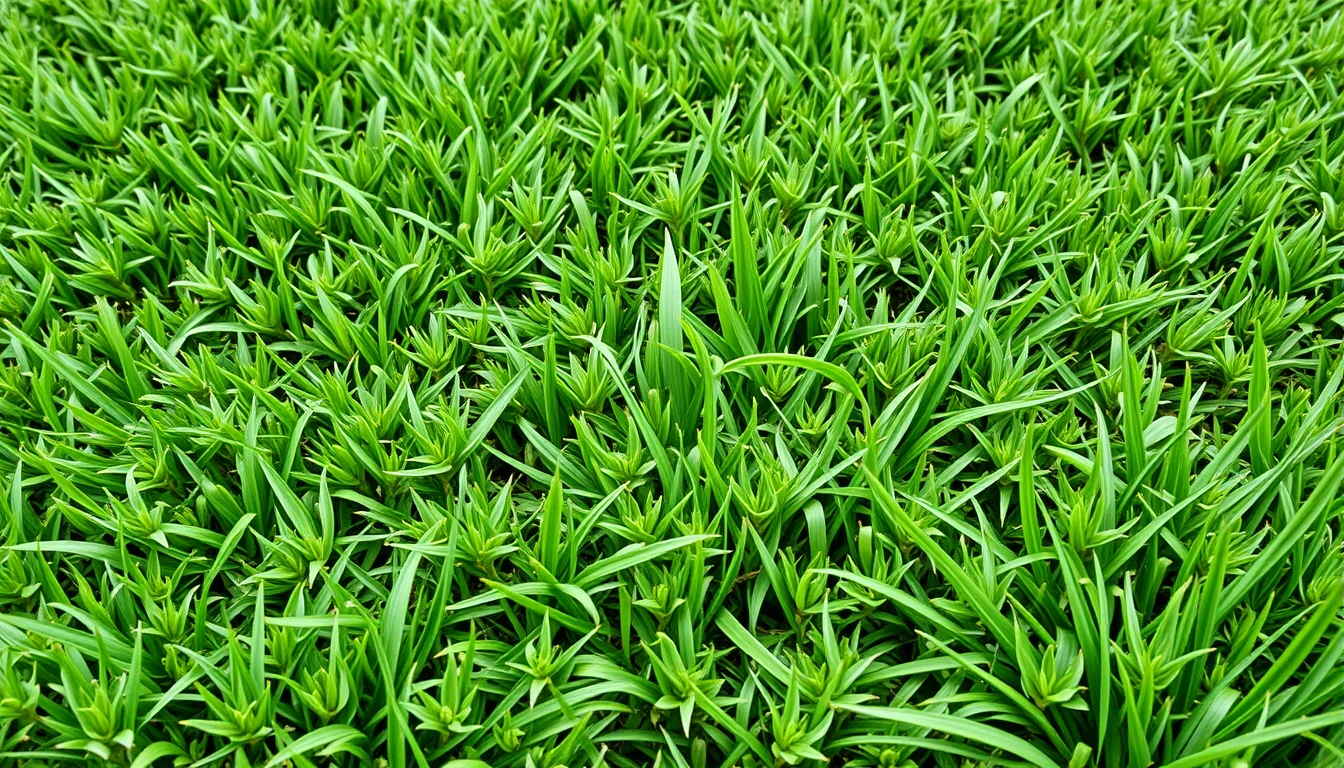
When you pick the grass that matches your light, your mowing habit, and how much upkeep you can live with, the choice gets clearer. Bermuda can be a strong choice on toughness and recovery. Zoysia can be a good balance. St. Augustine fits where trees steal light.
Simple on paper. Messy in real life. A full-sun front lawn in Georgia is a different problem from a lightly shaded side yard in Texas or a humid coastal yard with sandy soil. These grasses are all warm-season types, but they behave very differently once you start living with them. Bermuda usually wants more sun, shorter mowing, and tighter control. Zoysia grows slower and often needs less mowing, but establishment can be slow. St. Augustine handles shade better than the other two, but it is usually the weakest choice for cold snaps and heavy foot traffic.
If I had to reduce the decision to one sentence, I would say this: Bermuda is the sports car, Zoysia is the sedan, and St. Augustine is the shade-tolerant cruiser. That comparison is useful because the trade-offs are real. Sports cars ride harder. Sedans are often less quick. Cruisers are comfortable but not built for rough use. A neat picture, sure — but the yard decides, not the brochure.
Bermuda wins when you have sun, traffic, and a mower you do not mind using
On a full-sun lawn that gets stepped on, Bermuda is usually the best bet. Families with kids, dogs, side yards that get trampled, and homeowners who want a lawn that knits back together after stress all tend to land here. Bermuda’s fine texture and aggressive spreading habit help it recover from wear faster than the other two. Many modern Bermuda cultivars are built for heat and drought tolerance once established, but they still want strong light. In plain English: shade is where Bermuda starts losing the argument.
There is a price for all that toughness. Bermuda usually needs more mowing than the other two because it grows fast in warm weather. It also looks best when kept lower than St. Augustine, and often lower than Zoysia. If you dislike frequent mowing, Bermuda can turn from “clean and sharp” into “always behind.” It can also creep into flower beds and hard edges, which means you will spend time on borders and containment. That little nuisance adds up fast.
Bermuda is not the right answer for a yard with mature trees, filtered light, or a homeowner who wants a relaxed mowing schedule. It is a poor choice if you want a soft, broad-bladed look; Bermuda’s finer texture reads as crisp and dense, not plush. For a lawn that can take a beating and still bounce back, Bermuda is the strongest of the three. If you want low fuss or shade tolerance, it is the wrong tool.
Zoysia is the best middle ground if you want balance
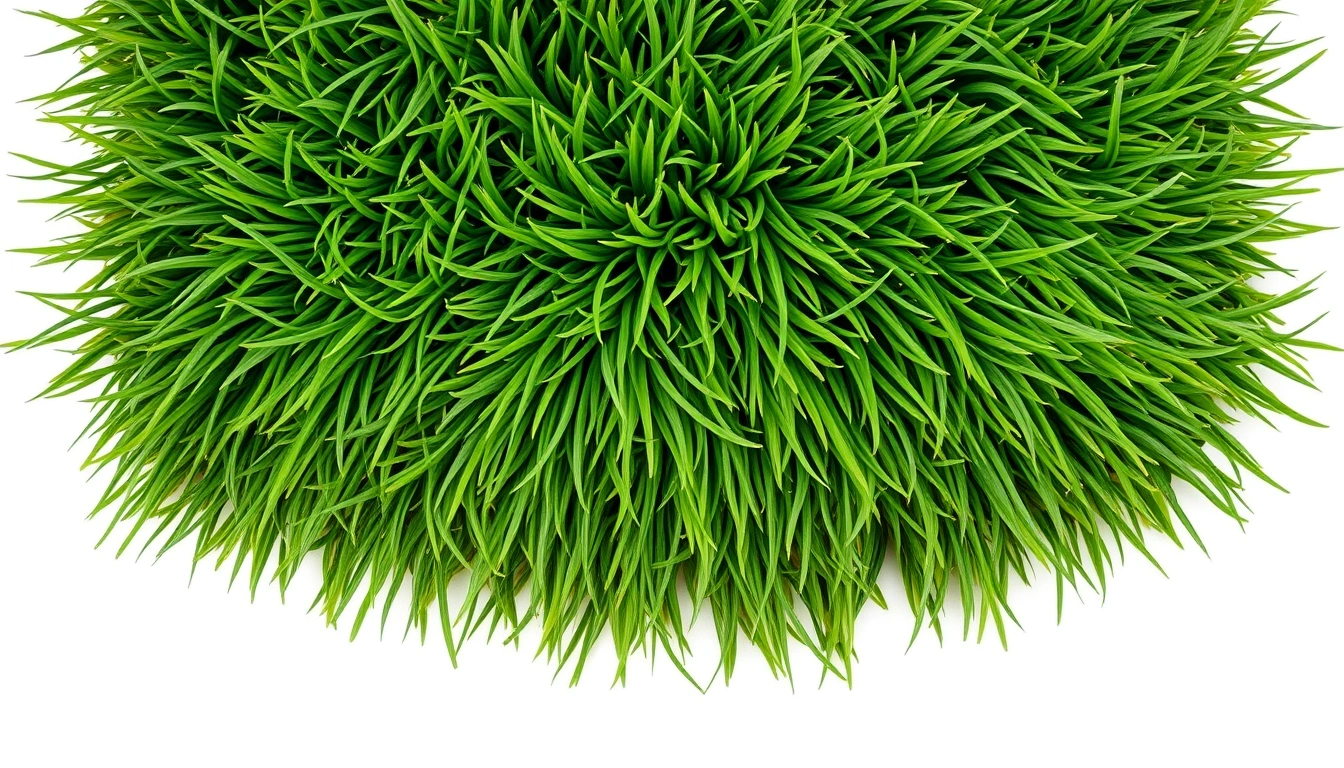
For many suburban lawns, Zoysia is the sensible middle road. It usually gives you a denser, neater look than Bermuda without forcing the same mowing pace, and it tolerates more shade than Bermuda. It is not as shade-friendly as St. Augustine, but it can handle part sun better than many people expect. Zoysia’s dense growth can also crowd out some weeds once it fills in, which is one reason homeowners like the finished look.
Patience is the catch. Zoysia can establish slowly, whether you start from sod, plugs, or seed where seedable cultivars are available. That slow start matters because thin turf is vulnerable to weeds and bare spots. For a lawn that looks complete in a few weeks, Zoysia can frustrate you. It is also not the best fit if your yard takes a lot of pounding. Dense does not always mean durable; heavy traffic can still bruise it. Strange but true.
Zoysia is the grass I would point to for someone who wants a polished lawn without living on the mower. It suits people who value appearance, moderate maintenance, and a yard with some sun but not endless open exposure. I would not recommend it if you need quick establishment for a new build, or if you are trying to green up a field-like space for constant play. It is a patient grass for a patient owner.
St. Augustine wins in shade, but it pays for that comfort
When shade is the limiting factor, St. Augustine is the clear pick. Among these three, it is the one I would look at first for lawns under trees, near houses that cast afternoon shadows, or in humid climates where sun is partial rather than full. Its broad blades create a soft, carpetlike look that many homeowners prefer, especially in the South. For a classic warm-climate lawn that looks full under moderate shade, St. Augustine is the most forgiving option here.
The drawback is that St. Augustine is not a universal solution. It is usually less cold-tolerant than many Bermuda and Zoysia types, and it can suffer when foot traffic is heavy. It also tends to ask for more water than Bermuda once summer heat and dry spells show up. If you want a lawn that shrugs off a dog running laps or a weekly soccer game, this is not the first grass I would choose. Its broad blade and softer feel are part of the appeal, but that same structure makes it less nimble under wear.
St. Augustine is also not a good fit if you want a tight, manicured, golf-course-like finish. It can look lush, but it is not built for the same low-cut, highly refined appearance as Bermuda. I would choose it for partial shade, moderate foot traffic, and homeowners who care more about filling space than squeezing out maximum toughness.
The honest side-by-side
Bermuda beats the other two on wear tolerance and sun performance. Zoysia beats the other two on balance. St. Augustine beats the other two on shade.
| Criteria | Bermuda | Zoysia | Winner for this condition |
|---|---|---|---|
| Full sun | Excellent | Very good | Bermuda |
| Partial shade | Weak to fair | Good | Zoysia |
| Heavily shaded yard | Poor | Fair | St. Augustine |
| Foot traffic | Best of the three | Moderate | Bermuda |
| Mowing frequency | Usually highest | Usually lower | Zoysia |
| Establishment speed | Often faster from sod or sprigs | Often slower | Bermuda |
| Weed suppression once filled in | Good | Very good | Zoysia |
| Soft, broad-bladed feel | Not its strength | Moderate | St. Augustine |
| Cold sensitivity risk | Depends on cultivar, but some are vulnerable | Depends on cultivar, but often solid | Zoysia |
| Best “set it and forget it” fit | No | Closest of the three | Zoysia |
A table will not tell you everything, but it does expose the real fault lines. Sun, shade, traffic, and mowing tolerance matter far more than the brand name on the pallet. The biggest mistake I see is choosing by appearance alone. A grass that looks beautiful in a sunny brochure can become a thin, patchy problem in a yard with afternoon shade or heavy play.
Which one should you choose?
Choose Bermuda if your lawn is mostly full sun, gets regular foot traffic, and you are willing to mow often for a tighter, tougher finish. Choose St. Augustine if shade is the main problem and you want a broad-bladed, softer-looking lawn. Neither if your yard is a mixed mess of deep shade, poor drainage, and constant traffic; in that case, I would fix the site conditions first or rethink having a turf lawn at all.
That verdict is blunt because the wrong grass creates years of work. Bermuda in shade turns sparse. St. Augustine in hard use wears out. Zoysia can be the safest middle choice, but only if you can live with slow establishment. For most average homeowners in the warm South, I would lean Zoysia when the site is mixed and maintenance matters, Bermuda when the yard is sunny and active, and St. Augustine when shade dominates the decision. For bermuda vs zoysia vs st. augustine home lawns, that is usually the practical order.
When the verdict flips
The overall call changes in a few specific cases.
First, if you have less than 6 hours of strong sun in much of the lawn, I would move St. Augustine to the front of the line. Bermuda stops making sense quickly there.
Second, if the lawn is for dogs, kids, or frequent backyard use, Bermuda moves ahead even if it asks for more mowing. Traffic tolerance matters more than looks in that setting.
Third, if you want the lowest-maintenance finish among the three and you are willing to wait through slower establishment, Zoysia is the better bet. That slower start is the trade-off, not a flaw you can ignore.
Fourth, if you live where winter cold is a real annual event, cultivar selection matters enough that I would hesitate to recommend any of the three without local extension guidance. The Texas A&M AgriLife Extension and university extension turf guides are better references than generic retail labels for climate fit.
What most generic comparison articles leave out
Most comparisons get trapped in a shallow script: “Bermuda is tough, Zoysia is nice, St. Augustine is shady.” That is true, but not enough. The missing details are the ones that decide whether you will be happy six months later.
Mowing height is one. Bermuda is commonly kept lower than the others. That affects labor, cut quality, and how quickly a lawn looks shaggy. Establishment speed is another. A slow-starting grass in a newly built yard can feel like a problem for an entire season. Traffic is another. A lawn that looks dense from the curb may still fail under kids, pets, or patio use. And shade reality matters too. “Some shade” is not the same as dappled morning light, and owners often underestimate that gap.
I also think homeowners miss the hidden cost of borders and spreading habit. Bermuda can run. St. Augustine can spread too. Zoysia spreads as well, but more slowly. Any of the three can invade beds, but Bermuda often demands the most edge discipline. It is a little weed with a big personality, frankly.
For practical guidance, I would trust university turf resources over retailer copy. Clemson Extension, Texas A&M AgriLife Extension, and the University of Florida IFAS Extension all publish turfgrass guidance that is specific about sun, wear, and regional fit. If you are narrowing the choice by climate, those are better starting points than a product page.
What each grass is not the right answer for
Bermuda is not for shade, relaxed mowing, or homeowners who want a soft, broad-leaf lawn.
Zoysia is not for people who want fast establishment or a grass that shrugs off constant construction-level traffic.
St. Augustine is not for heavy wear, very low mowing, or situations where cold tolerance is the first concern.
That is the cleanest way I know to decide. Each grass has a lane. The problem comes when a lawn owner expects one grass to do another grass’s job.
FAQ
Is Bermuda harder to maintain than Zoysia?
Yes. Bermuda usually asks for more mowing and tighter edge control than Zoysia, especially in peak growth months.
Can St. Augustine handle full sun?
Yes, but full sun is not its main advantage. It is chosen more for shade tolerance and a softer, broader look.
Which grass is best for a backyard with kids and a dog?
Bermuda is usually the strongest choice because it recovers better from traffic than Zoysia or St. Augustine.
Which grass looks the most “lush”?
St. Augustine usually gives the broadest, softest look. Zoysia is denser and more refined. Bermuda looks the crispest and finest-textured.
For a yard with mixed sun and shade, what should I pick?
Zoysia is usually the safest middle ground if the shade is moderate. If shade is heavy, I would move toward St. Augustine.