

Last updated: September 10, 2026
Key Takeaways
- Yards with under about 6 hours of direct sun are the wrong match for some sod types.
- Check whether the area gets 6+ hours, 3–5 hours, or less than 3.
- Check whether you can keep the root zone moist for the first 2–3 weeks.
- Test the soil texture in 10 minutes.
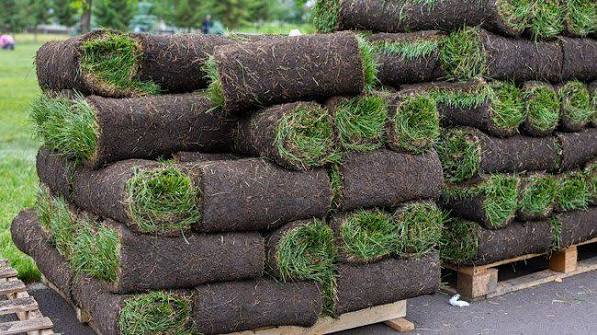
Picking sod grass types for sun, shade, drought, and traffic is really a matching exercise. Match the toughest condition first. Not the nicest one. Full sun, deep shade, low water, and heavy foot traffic each point you toward different sod, and the wrong pick will thin out fast, no matter how tidy the installation looks on day one.
Who this applies to — and what it assumes you already know
Homeowners choosing between cool-season and warm-season sod are the main audience here, especially if one issue dominates the yard: intense sun, real shade, drought stress, or regular foot traffic. I’m assuming you already know your rough region and can tell whether your lawn gets 6+ hours of direct sun, 3–5 hours, or less than that. I’m also assuming you know sod is laid as live turf, not seeded, so the first 2–3 weeks matter a lot.
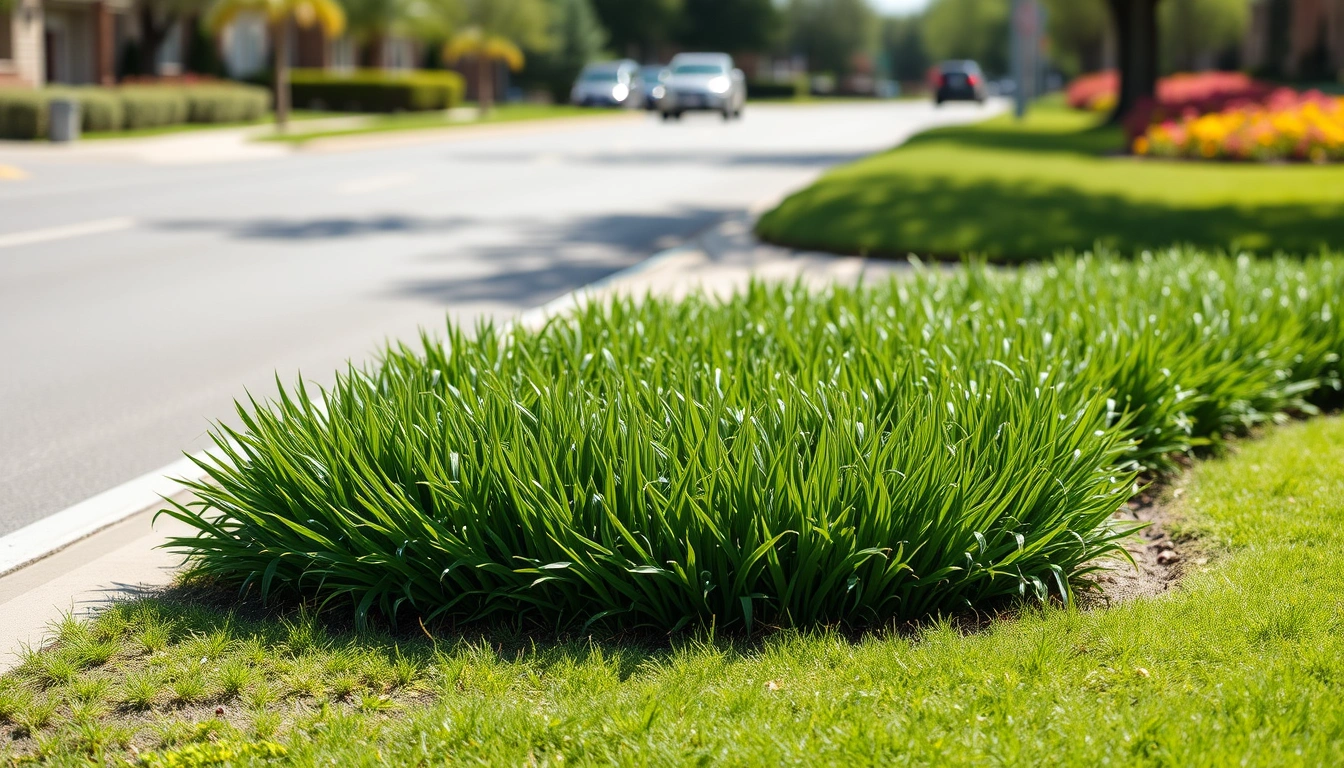
The real question is not “what is the best grass?” It is “what grass will still look acceptable after the hardest part of my site does its work?” A yard with 8 hours of sun and heavy play needs a different answer than a backyard under mature trees that only gets morning light. Generic “all-purpose” advice usually falls flat because turfgrass species are narrow specialists. A mile wide, an inch deep.
I’m not going to pretend one sod type wins every category. Bermuda handles heat and sun extremely well, but it is a weak choice for deep shade. St. Augustine takes shade better in warm climates, but it is not the top pick for foot traffic. Tall fescue deals with drought better than many cool-season grasses, yet it can still struggle in brutal summer heat without irrigation. That trade-off is the whole ballgame.
If your site has more than one severe problem at once — say, dense shade plus heavy traffic, or deep drought stress plus freezing winters — the answer may be “use a blended approach” or “fix the site conditions first.” I’ll get to those cases below.
Table of contents
- Who this applies to — and what it assumes you already know
- Which sod grass is best for sun, shade, drought, and traffic?
- How do I match sod to my yard step by step?
- What sod grass is best for full sun?
- What sod grass is best for shade?
- What sod grass handles drought best?
- When should I stop trying to make sod work?
Which sod grass is best for sun, shade, drought, and traffic?
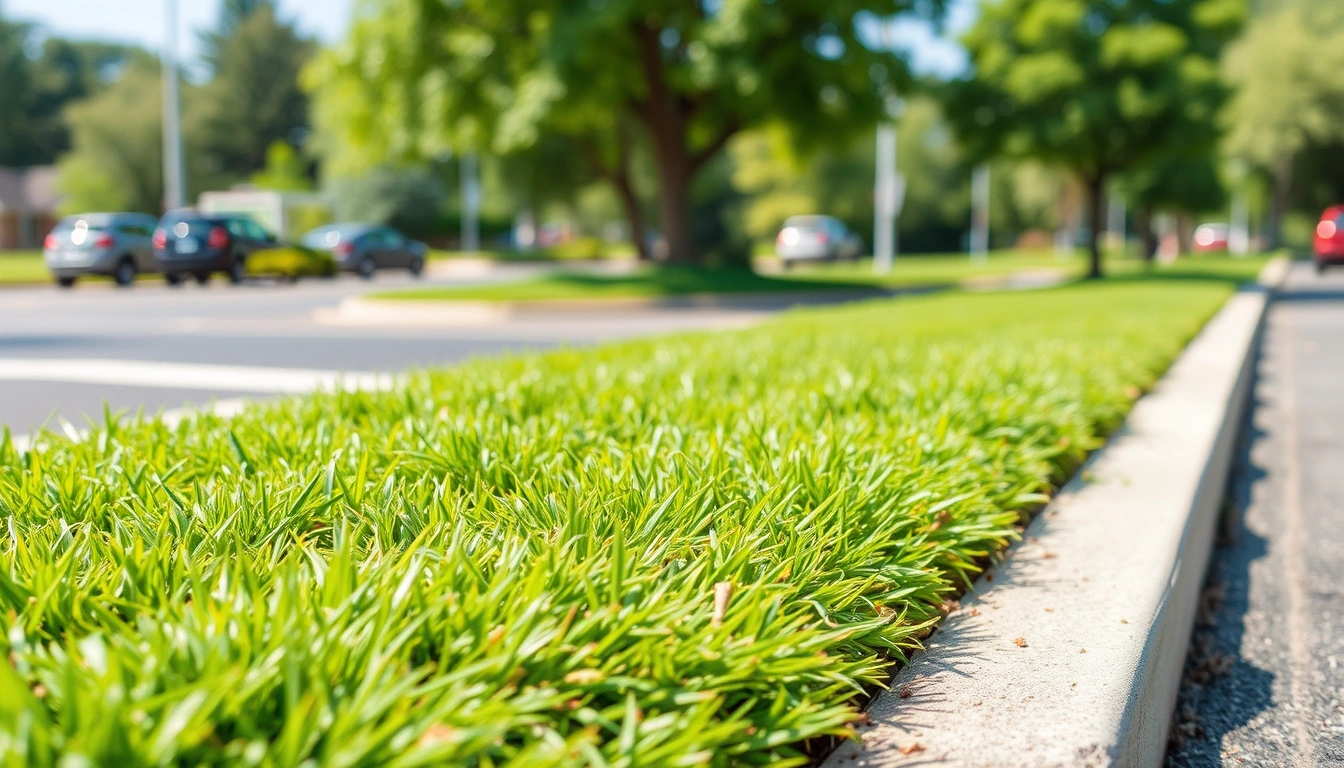
For sod grass types for sun, shade, drought, and traffic, the best fit is the one that can take the site stress without constant correction. In warm climates, I’d start with Bermuda for full sun and wear; in cooler climates, Kentucky bluegrass or tall fescue make more sense. For shade, St. Augustine is the usual warm-region sod, while fine fescues are the better shade grasses in cooler areas, though they’re sold as seed more often than sod. For drought, bermudagrass and tall fescue are the usual starting points, with zoysiagrass as the slower-growing middle path. For traffic, Bermuda and zoysia lead in warm regions, while perennial ryegrass and Kentucky bluegrass are stronger in cool regions.
Here’s the practical breakdown:
- Bermuda grass sod: Good for full sun, heat, and heavy traffic. It spreads fast and bounces back quickly from wear. The drawback is shade intolerance; under trees, it thins. It is wrong for yards with under about 6 hours of direct sun.
- Zoysia grass sod: Good for sun to light shade, moderate drought, and medium-heavy traffic. It feels dense underfoot and holds up well once established. The drawback is slow establishment and slower recovery from damage. It is wrong for people who need quick repair after pet or play damage.
- St. Augustine grass sod: Good for warm-climate shade and a softer, broader-bladed lawn. It handles filtered light better than most warm-season sods. The drawback is weaker traffic tolerance and a tendency to struggle in drought. It is wrong for narrow, hard-used play areas.
- Tall fescue sod: Good for cool-season drought tolerance and mixed sun. Modern tall fescue cultivars have deep roots and cope with heat better than many cool-season lawns. The drawback is that it is not ideal for low-mow perfection or very heavy traffic. It is wrong for hot, humid regions where warm-season turf dominates.
- Kentucky bluegrass sod: Good for cool-season lawns with traffic and self-repair. It spreads by rhizomes, which helps it fill in worn spots. The drawback is higher water demand than tall fescue, especially in summer. It is wrong for low-water sites.
- Fine fescue: Good for dry shade in cool climates, but it is usually less durable under traffic. The drawback is poor wear recovery. It is wrong for lawns that get regular sports, dogs, or lots of running.
If I had to boil it down to one line: Bermuda usually owns sun and traffic, St. Augustine is the common shade pick in warm climates, tall fescue is a solid drought-oriented option in cooler regions, and zoysia is the compromise grass that handles several stresses fairly well.
How do I match sod to my yard step by step?
Match sod to your yard by measuring light, water, wear, and climate before you buy a single pallet. Start with the conditions you cannot change easily.
- Measure direct sun in the problem area. Count hours of direct sunlight on a clear day in June or July, or in the sunniest part of your season. Check whether the area gets 6+ hours, 3–5 hours, or less than 3. A lawn area that stays under 4 hours and still needs a traditional turf surface usually rules out Bermuda and pushes you toward shade-tolerant choices.
- Identify your climate zone and summer pattern. Use the USDA Plant Hardiness Zone map as a rough guide, then think about summer heat and humidity, not just winter low temperatures. Check whether your region is cool-season, transition zone, or warm-season dominant. A common mistake is choosing a cool-season sod for long, hot, dry summers without irrigation.
- Assess traffic by use, not by guesswork. Count where people walk, where kids cut corners, and where dogs turn. A path that gets daily crossing or more than a few minutes of play each day needs higher wear tolerance. Check whether the same strip gets compaction or repeated abrasion. Using shade grass in a dog run and expecting it to stay dense is a bad bet.
- Check water access before choosing drought-tolerant grass. Drought tolerance is not the same as zero water. Newly laid sod usually needs frequent irrigation for establishment, often daily at first depending on weather and soil. Check whether you can keep the root zone moist for the first 2–3 weeks. Installing any sod in summer with no irrigation plan is asking for trouble.
- Test the soil texture in 10 minutes. Sand drains fast, clay holds water, and loam sits in between. Check drainage by digging a small hole and filling it with water; if it stays soggy for hours, some grasses will struggle. Putting a drought grass into constantly wet soil or a shade grass into powder-dry sand without amendments is the wrong move.
- Choose the species that matches the worst stress first. For full sun and wear, start with Bermuda or zoysia in warm climates; for shade, start with St. Augustine in warm regions or fine fescue in cool ones; for drought, lean toward tall fescue or Bermuda. Check that the choice also fits your climate zone. Pick one trait only, and another stress will usually bite you later.
- Ask about the cultivar, not just the species. Cultivar means the named variety within a species. A ‘tall fescue’ sod block can vary a lot in color, density, and disease tolerance depending on the cultivar. Check whether the farm is selling a single cultivar or a blend. Buying unlabeled “premium” sod with no cultivar information is shaky ground.
- Plan the maintenance level you will actually keep. Bermuda often wants lower mowing height and more sun; tall fescue tolerates a wider range but still needs consistent care; St. Augustine can be more forgiving in shade but does not like rough wear. Check that your mower, watering, and fertilizer routine fit the grass. Choosing a high-maintenance turf for a low-maintenance yard usually ends badly.
A good result is a lawn that stays dense through the season with only normal thinning at edges and worn paths. A bad result is a lawn that looks fine for 6 weeks, then thins in the same places every year because the grass was never matched to the stress.
What sod grass is best for full sun?
Bermuda grass is the strongest all-around sod choice for full sun, heat, and heavy use, with zoysia and Kentucky bluegrass close behind depending on climate. In warm regions, Bermuda is the first grass I’d look at if the lawn gets 8 or more hours of direct sun and people actually use it. It spreads aggressively, recovers from damage quickly, and tolerates close mowing better than most turf grasses. That makes it a common pick for active yards, sports areas, and high-visibility front lawns.
The drawback matters just as much: Bermuda is poor in shade. Even light canopy cover can weaken it, and once it starts thinning, weeds move in fast. It is also not the grass I’d choose for someone who dislikes frequent mowing, because the look people want from Bermuda usually comes with regular cutting. No free lunch.
Zoysia is my second choice for sunny lawns when the site has some drought pressure or the owner wants a denser, carpet-like texture. It handles traffic well once established and holds color reasonably well in heat. The drawback is slow recovery. If you scarify, tear up, or heavily wear a zoysia lawn, it can take time to knit back together. It is not the grass for a household that wants instant repair after every rough patch.
For cooler climates, Kentucky bluegrass is the classic sunny, traffic-tolerant choice because it spreads by rhizomes and fills damaged areas better than many grasses. The trade-off is water use. If the site gets long, dry summers, bluegrass can go thin unless irrigation is steady.
What sod grass is best for shade?
St. Augustine is the best common sod grass for warm-climate shade, while fine fescue is the shade specialist in cooler climates, although it is often more available as seed than sod. Shade means less than about 4 hours of direct sun or broken sunlight under trees, porches, or the north side of a house. In those conditions, Bermuda usually fails first, and even zoysia can thin if the shade is persistent.
St. Augustine’s advantage is broadleaf shading tolerance. It can stay acceptable where other warm-season grasses become sparse. It also has a softer, fuller look that many homeowners prefer around patios and side yards. The drawback is traffic tolerance: it is not the best grass for kids’ paths, dog runs, or any area that gets repeated wear. It is also less forgiving in drought than Bermuda or tall fescue.
Fine fescue is the cool-season answer when shade and lower maintenance matter more than wear. It can handle filtered light and lower fertility better than many turf grasses. The drawback is that it is not a sports-lawn grass. I would not choose it for a yard where the same strip is crossed 20 times a day or where pets regularly turn in place.
A common mistake is thinking “shade tolerant” means “any dark corner.” Deep shade under dense tree canopies is often better solved with mulch, groundcovers, or a hardscape strip than with sod. Grass needs light as much as it needs water.
What sod grass handles drought best?
Bermuda and tall fescue are the best drought-aware sod choices, with zoysia as a slower, moderate-water option. Drought tolerance is not the same as surviving on neglect; it means the grass can stay functional with less water once established. That distinction matters because new sod needs consistent moisture while roots grow into the soil.
Bermuda is the standout in hot, sunny, dry sites. It has a strong recovery habit and handles heat well. The drawback is that it wants sun, not shade, and many owners find the mowing frequency tiring. It is wrong for people who want a shaded, low-input lawn.
Tall fescue is the cool-season workhorse for water-conscious yards. Its root system is deeper than that of many cool-season grasses, and newer turf-type tall fescues are bred for better density and appearance than older coarse types. The drawback is that it is still a cool-season grass; in prolonged summer heat, it can go off-color or thin without water. It is wrong for the hottest southern sites unless irrigation is part of the plan.
Zoysia sits between those two. It can use water efficiently once mature, but it is not as fast to recover as Bermuda and not as shade-friendly as St. Augustine. For a homeowner who wants a reasonably tough lawn and can accept slower establishment, it is a sensible middle path.
When should I stop trying to make sod work?
I would stop trying to force a standard sod lawn when the site conditions are asking for a different surface. That is often cheaper and more durable than fighting the wrong grass for years.
Less than 3 hours of direct sun: Deep shade for turf — choose mulch, shade plants, or a shade-tolerant groundcover instead of expecting sod to stay dense.
Repeated foot traffic in the same 2–3 foot path: This creates compaction and bare spots — use pavers, stepping stones, or a dedicated walkway.
No irrigation for the first 2–3 weeks after installation: New sod will struggle to root — delay installation until you can water properly.
Heavy tree-root competition in the top 6 inches of soil: Roots steal water and space — either cut back the lawn area or improve soil and irrigation first.
Standing water that lasts more than a few hours after rain: Poor drainage will rot roots and thin turf — fix grading or drainage before laying sod.
Hot, dry climate plus deep shade: This is one of the hardest lawn combinations — accept that turf will be maintenance-heavy and often inconsistent.