

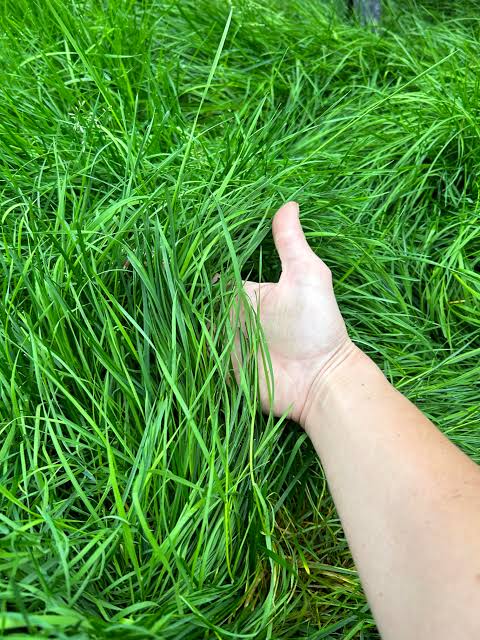
Last updated: September 10, 2026
Key Takeaways
- The first mow is often due when the sod reaches about 3 to 4 inches, depending on species.
- That usually takes 7 to 21 days, but the test matters more than the number on the calendar.
- Verify that the top 1 to 2 inches of soil stay moist, not muddy.
- If the sod is 3 inches tall, set the mower near 2 to 2.5 inches, not lower.
New sod looks finished on day one. It usually is not. Wait until the turf has actually grabbed the soil, because a mower can turn a minor delay into torn seams and ruts fast. For a safe starting point, see your installer’s care sheet or a local extension guide before you mow.
Who this advice is for, and what I’m assuming
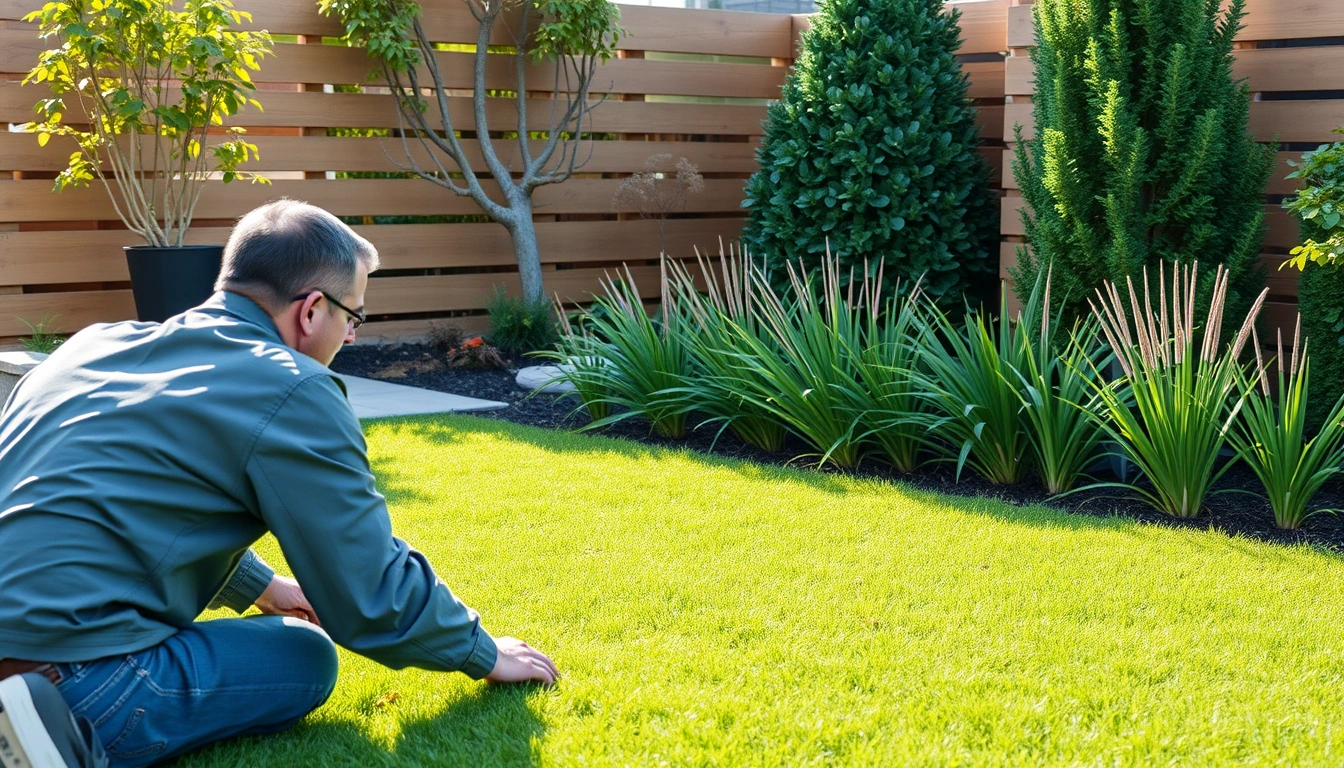
This is for a homeowner or property manager who has just had sod installed and now needs to know when the first mow is safe. I’m assuming the lawn was laid on graded soil, watered right away, and is being cared for like a new lawn, not a mature one. And I’m also assuming you already know the basic purpose of a mower and can tell the difference between a push mower and a riding mower.
Grass type, season, and rooting speed all change the answer. Kentucky bluegrass, tall fescue, and perennial ryegrass often need a different start-up window than Bermudagrass, zoysiagrass, or St. Augustinegrass. Cool-season sod in spring may be ready in roughly 2 weeks; warm-season sod in hot weather may root faster, but soft soil can still delay mowing. Local rainfall matters too. In a humid coastal area, repeated showers can keep the root zone wet for longer. In a dry inland area, the sod can knit faster if irrigation is steady. For species-specific care, check new lawn care advice from your local extension office.
I would not use the calendar alone, honestly. Check with your installer or local extension office if conditions are unusual. New sod is ready when two things line up: the roots have started anchoring, and the surface is dry enough to carry a mower without sinking. Steep slope? Soft fill soil? Poor drainage? Wait longer. A mower on a half-rooted sod sheet can shear the seams open in a single pass. The University of California Cooperative Extension and Penn State Extension both stress rooting and turf firmness over a fixed date.
How do I know new sod is ready to mow?
New sod is ready to mow when you cannot easily lift it by a corner and when your footprints no longer leave deep marks after watering has dried off. That usually takes 7 to 21 days, but the test matters more than the number on the calendar.
I use a simple sequence before the first cut:
- Wait until the sod has had at least 3 full water cycles. Water daily at first unless your installer gave a different schedule. Verify that the top 1 to 2 inches of soil stay moist, not muddy. If water pools or the soil squishes, that is a problem because mower wheels will rut the surface.
- Check root attachment at three spots. Gently tug a seam and a corner in the morning and again late afternoon. You want resistance, not movement. If the sod lifts like a carpet, it is not ready.
- Measure blade height before cutting. Do not remove more than one-third of the grass blade at the first mow. If the sod is 3 inches tall, set the mower near 2 to 2.5 inches, not lower. Cutting too short exposes the soil and slows rooting.
- Inspect the ground firmness under your shoes. Walk a straight line across the lawn. Verify that your heel does not sink or create a soft track. If the surface gives under normal body weight, a mower will do worse.
- Use a sharp blade. A dull blade tears tender leaf tips, which shows up as brown frayed ends within a day or two. If the mower blade has nicked edges, sharpen it first. A clean cut matters more on fresh sod than on older turf.
- Mow when the grass is dry. Choose a dry window after morning dew has lifted. Wet blades bend, clog the deck, and let the mower slide on the sod. If the top looks glossy with moisture, wait.
- Start with a light mower. A walk-behind mower puts less weight on the turf than a heavy rider. If you must use a riding mower, make sure the lawn is firm and avoid tight turns that scuff seams.
- Bag the clippings on the first cut. Verify that clippings are short and light enough to collect. Thick clumps left on new sod can block light and trap moisture. If clippings form piles, you cut too much.
The first mow should be gentle. I would not scalp new sod to “clean it up.” The goal is thicker grass, not a golf-green finish in week one. Little difference, huge payoff.
What should I check before I bring out the mower?

You should check root hold, moisture, blade height, and the weather forecast before the first mow. Those four checks tell you more than a planting calendar does.
Look at the forecast for the next 24 to 48 hours. If a heavy rain is coming, mowing now can leave tracks that fill with water and collapse at the seams. If a heat wave is coming and the sod is already stressed, a first mow can add pressure the grass does not need. A mild, dry day is best.
Check irrigation timing too. New sod usually needs regular watering, but it should not be wet at mowing time. A good rule is to mow after the surface dries, often later in the morning or early afternoon, not right after irrigation. If the soil sticks to your shoe, wait.
Look at the leaf length. The first mow is often due when the sod reaches about 3 to 4 inches, depending on species. Bermudagrass can be kept lower than tall fescue, but I would still avoid aggressive cutting on a new install. If your installer left the sod taller than expected, trim in stages over 2 or 3 cuts instead of one hard cut.
Check your equipment. A mower with a clogged deck, dull blade, or low tire pressure can tear fresh sod. If the mower deck is set unevenly, it can scalp the high spots and miss the low spots. A simple pass with an even, sharp deck is safer than a fancy pattern.
If you are hiring a lawn service, ask one direct question: “How soon do you mow new sod, and what do you check before the first cut?” A good contractor should answer with root hold, surface firmness, and cutting height, not just a date on the calendar. If they cannot explain why a first mow is delayed, that is a warning sign. You can also ask whether they follow turf establishment steps for the first cut.
When should I stop waiting and call the installer back?
You should stop the normal waiting approach when the sod is not rooting, the soil stays soft, or the lawn looks stressed enough that mowing would make it worse. At that point, the issue is not the mower; it is the installation or aftercare.
Sod still lifts at the seam after 14 days: The roots have not anchored well — Do not mow yet. Ask the installer to inspect grading, soil contact, and irrigation coverage. If the sod was not pressed into firm contact, the first mow can rip it loose.
Footprints stay visible for hours: The soil is too soft or too wet — Delay mowing and reduce watering frequency slightly if the root zone is saturated. A mower will rut the lawn and can smear the soil under the sod edges.
Grass is growing fast but the underside feels loose: Top growth has outpaced rooting — Do not cut just because it looks tall. That top growth can fool people. Wait for attachment, then cut lightly.
Edges are drying, curling, or turning pale brown: The sod is under water stress — Hold off on mowing and correct irrigation. Cutting stressed sod often removes too much leaf surface and makes recovery slower.
Uneven settlement has created dips or humps over about 1 inch: The surface is not stable — Mowing now can scalp humps and miss dips. Let the installer address the grade, especially if the lawn was laid over fill or poorly compacted soil.
Mowers would have to turn sharply on a slope: The risk of sliding or tearing is high — Postpone until the turf is firmer, then mow up and down slopes rather than across them. On steep grades, a light walk-behind is safer than a heavy rider.
If the sod is still failing after a couple of weeks, I would not keep hoping a first mow will solve it. The root problem may be irrigation coverage, soil prep, or a bad fit between the sod and the site.
The mistakes people actually make, and what they cost
The most common mistake is mowing by date instead of by root hold. Someone hears “10 days” and starts the mower even though the sod still lifts. The cost is torn seams, visible lines, and patchy rooting that can take weeks to recover.
Another mistake is cutting too short on the first pass. Fresh sod that is cut from 3 inches down to 1 inch loses too much leaf area and struggles to make food through photosynthesis. The lawn may yellow and thin. The fix is simple: take off no more than one-third, then wait a few days before the next cut.
A third mistake is mowing wet sod. Wet turf bends under the wheels, and the deck can smear blades instead of slicing them. The result is clogged grass, wheel tracks, and a first cut that looks ragged. I would wait until the surface is dry to the touch and the blades are standing up.
A fourth mistake is using a heavy riding mower on soft new sod. Those machines can compact the soil and leave ruts, especially near turns and at the edge of driveways. A walk-behind mower is usually the better first choice unless the lawn is large and already firm.
A fifth mistake is ignoring blade sharpness. Fresh sod shows tearing immediately. Frayed tips turn brown faster than cleanly cut tips, which makes a healthy lawn look stressed. Sharpen the blade before the first mow if you can.
A sixth mistake is blowing off clippings on the lawn. Long clumps can smother young grass and create damp spots that invite fungal problems. Bag the first cut, then switch to mulching only when the grass is established and growing evenly.
When the standard timing does not apply
The standard “about 10 to 14 days” answer changes when the grass species, weather, or site makes rooting slower or faster. Warm-season grasses such as Bermudagrass and zoysiagrass often establish differently from cool-season grasses like tall fescue or Kentucky bluegrass. In practical terms, the first mow may come sooner or later depending on how quickly the roots knit and how fast the blades grow.
Shaded lawns usually need more patience than full-sun lawns. Less light means slower growth, and slow growth often masks weak rooting. If the sod is under trees or along a north-facing fence line, I would be conservative and check attachment carefully before cutting.
Clay soils hold water and can stay soft longer than sandy soils. That means a lawn may look green and tall while still being too tender for a mower. Sandy soil drains faster but can dry unevenly, so the surface may crust while the root zone is still shallow. Both conditions call for a hands-on check, not a guess.
If the sod was laid late in the season, growth can slow enough that the first mow happens closer to 3 weeks than 1. If it was installed in hot weather, you may need to mow sooner but very lightly because the grass can surge upward. Either way, I would avoid a hard first cut.
On a slope, the margin for error is smaller. Even a slightly loose seam can slide when a mower turns across it. So mow straight lines and keep the mower light, especially during the first 2 or 3 cuts.
How much does a first mow cost if I hire it out?
A first mow is usually billed like a standard mow, but the price can run higher if the lawn is newly installed, unusually small, or still delicate. I would expect the cost to depend on lawn size, access, edging, bagging, and whether the crew needs to move slowly to protect the sod. A first visit may also include cleanup after installation, which adds time.
If you are calling a contractor, ask for a quote that separates the first mow from ongoing maintenance. The first cut should not be priced like a routine weekly service if the crew has to inspect rooting, use a lighter mower, and bag clippings. Ask whether the price changes if the lawn is under a quarter acre, on a slope, or too wet on the scheduled day.
I would also ask what happens if they arrive and the sod is not ready. A fair setup is either a no-charge delay or a small rescheduling fee, not a full mow charge for work that should not be done. If a company cannot explain that clearly, I would keep looking.
What does a good first mow look like?
A good first mow leaves the turf even, not scalped, and the seams still tight. You should see clean leaf tips, short clippings that were removed or lightly scattered, and no wheel ruts. The lawn may look a bit shorter, but it should not look shocked.
The mower should take off only the top third of the leaf. If the grass was 3 inches tall, a finished height of around 2 to 2.5 inches is a reasonable first target for many lawns, though exact height depends on the grass type. If the cut exposes soil or brown stems, it was too aggressive.
In the next 48 hours, the lawn should stay upright and green, not wilted. A little change in color at the tips is normal on fresh sod; broad yellowing is not. If the lawn looks worse after mowing, the cut was too low, too wet, or too early.
FAQ
Can I mow new sod after 1 week?
Sometimes, yes, but only if the sod has rooted firmly and the surface is dry. One week is often too early for many lawns, especially in cool weather or on soft soil.
Should I water new sod before mowing?
Water the lawn as part of its establishment plan, but do not mow while the surface is wet. Let the top dry enough that your shoes do not sink and the mower tires do not leave marks.
Should I bag the clippings on the first cut?
Yes. Bag the