

Last updated: September 10, 2026
Key Takeaways
- What happens if seams dry out or gaps appear within the first 2 weeks?
- What watering schedule do you expect for the first 14 to 21 days?
- Sod wins when you are paying for certainty and speed, not just grass.
- The strength of sod is not mysterious.
Table of contents
- Key Takeaways
- The short answer: sod vs seed for a new lawn
- What sod really buys you
- Where seed saves the most money
- Sod vs seed side by side
- What a sod quote should include — and what to ask before you sign
- What a seed quote should include — and where cheap turns costly
- When the answer flips
- Which one should you call for?
- What to ask a contractor before you compare bids
- FAQ
For most new lawns, sod vs seed: which is cheaper new lawn? Seed usually costs less at the start. Sod only becomes the better deal if you need the yard finished fast or the site is tough to establish. I write about outdoor service work and lawn installation costs regularly, and the same pattern keeps showing up: material price is only one slice of the bill, yet it is the slice that changes the decision fastest. Honestly, that’s where people get tripped up.
The short answer: sod vs seed for a new lawn
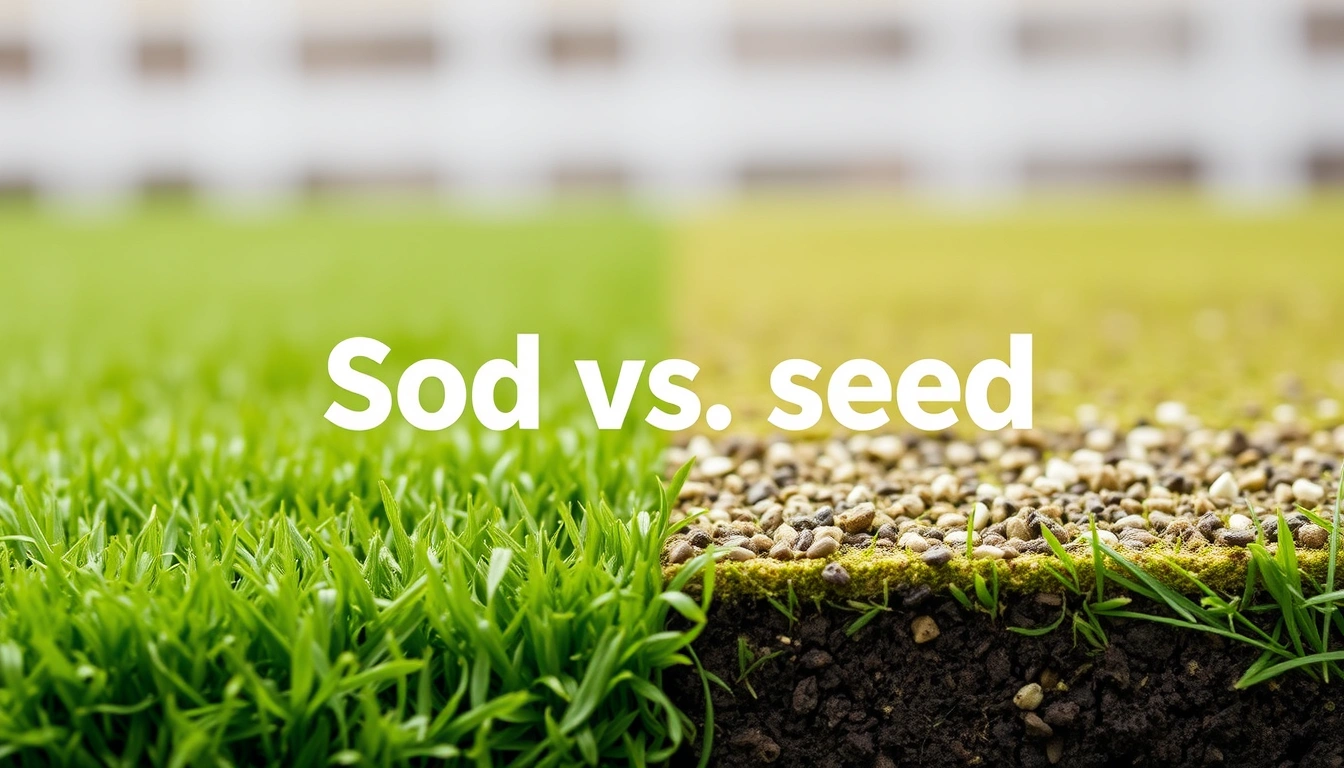
Seed wins on price for almost every average yard. Starting from bare soil? Provided you can wait for germination, it usually takes far less money to buy grass seed, spread it, and protect it while it establishes. Sod costs more because you are paying for mature grass, harvest, transport, installation labor, and often extra prep to make the surface smooth enough for rolls or slabs. According to the University of California Agriculture and Natural Resources, the up-front cost of turfgrass sod is generally higher than seeded turf because sod includes production and harvesting costs.
That does not make seed the automatic winner. It just means seed is the cheaper pick when your yard can tolerate a slower start. Sod makes more sense when the space will be used right away, erosion is a real threat, or the season makes seed failure more likely.
A generic answer leaves out the part that matters most: installation cost depends heavily on square footage, soil prep, irrigation, slope, and how much grading the contractor has to do. Small and flat? In good soil? That can be a straightforward seed job. But a sloped front yard with clay soil, poor drainage, or compacted subsoil can push either option higher; sod usually climbs faster because you are paying for immediate cover and tighter labor. The U.S. Environmental Protection Agency notes that runoff control and site conditions can change landscape costs and performance quickly, which is why a quote needs to match the yard. That math stops working fast if the assumptions are wrong.
If your main question is “which is cheaper to get in the ground this month?”, the answer is seed.
What sod really buys you
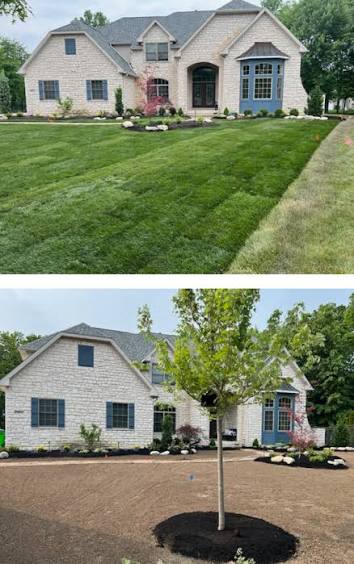
Sod wins when you are paying for certainty and speed, not just grass. Yes, the price is higher — but the trade-off is clear. You get an instant green surface, earlier curb appeal, and far less exposed soil. That matters on new construction lots, front yards visible from the street, and places where rain can wash seed away.
The strength of sod is not mysterious. It is pre-grown turf, so the lawn starts at a mature stage instead of a germination stage. In practice, the “wait time” is measured in days for installation and weeks for rooting, not in weeks for sprouting and months for fill-in. On jobs where access matters, sod also gives the contractor a more predictable finish because the lawn is already uniform in density. Clean and tidy. No guesswork.
The weak spot is just as plain: sod is expensive to buy and install, and it can fail if the soil underneath is not prepared well. I would not choose sod if the site has uneven grading, hidden compaction, or irrigation problems you have not solved yet. Sod laid over bad soil can look good for a few weeks and then thin out, dry out, or separate at the seams. That turns a high-cost choice into a repair bill you didn’t plan on.
Sod also needs a tighter installation window. If the rolls sit too long in heat, they suffer. If the crew installs them poorly, gaps and seams show fast. For that reason, sod is the better call for owners who need a finished lawn now and are willing to pay for a more controlled process. The University of Minnesota Extension advises getting sod on the ground quickly and keeping the soil moist during establishment.
Where seed saves the most money
Seed wins for homeowners who can wait, water properly, and accept a less immediate result. The cost edge is simple: you are buying a fraction of the living material that sod requires, and the labor is usually lighter. A seeding job can often be done after basic soil prep, topdressing if needed, and a careful spread-and-rake process. No drama.
The downside is risk. Seed needs time, moisture, and decent weather. Too hot, too dry, too windy, or too rainy? Establishment slows or fails. Birds can eat it. Runoff can move it. Foot traffic can crush it. Until the grass thickens, the yard can look patchy, which matters if you are trying to sell a house or keep kids and pets off the area.
Seed is not the best answer for every grass type. In cool-season regions, seed often gives you more variety and a lower initial cost. In warm-season areas, some homeowners prefer sod because establishment windows can be tighter and summer stress can be brutal on young seed. That does not make seed wrong; it just means the calendar matters. Penn State Extension notes that grass species choice and planting season both affect establishment success.
If you are trying to keep the budget lean, seed is the clear choice when:
– you have a flat or gently sloped yard,
– you can wait through the establishment period,
– you can water consistently for several weeks,
– and you are not under pressure for instant curb appeal.
If any one of those is missing, the “cheaper” option can become the more expensive one after rework.
Sod vs seed side by side
Seed is cheaper on upfront cost, but sod is cheaper on lost time. That’s the trade most people miss.
| Criteria | Sod | Seed | Winner for [condition] |
|---|---|---|---|
| Upfront material cost | Higher | Lower | Seed for tight budgets |
| Labor complexity | More intensive; must be laid fast and evenly | Usually simpler spreading and covering | Seed for DIY or basic installs |
| Time to usable lawn | Near-immediate surface, with rooting still needed | Weeks to germinate, longer to thicken | Sod for fast occupancy |
| Erosion control | Better because soil is covered right away | Weaker until grass establishes | Sod for slopes or runoff-prone yards |
| Failure risk from weather | Lower once installed, but still sensitive to heat and poor prep | Higher during germination and early growth | Sod in harsh weather windows |
| Need for irrigation discipline | High during rooting | Very high during germination | Neither if you cannot water regularly |
| Patch repair cost | Can be expensive because matching rolls is harder | Usually cheaper to reseed spots | Seed for long-term patchability |
| Best use case | Front yards, new builds, quick sell situations | Large backyards, budget projects, planned planting windows | Depends on timeline |
The table tells the real story: seed wins on dollars, sod wins on speed and surface control. If your contractor is quoting both, ask them to break out prep, delivery, and watering expectations separately. A quote that lumps everything into one line can hide the fact that a “cheap” seed job still needs grading, straw, compost, or irrigation work.
What a sod quote should include — and what to ask before you sign
Sod is the better choice only if the quote is honest about the whole job, not just the rolls of grass. I would expect a contractor to spell out square footage, soil prep, delivery timing, irrigation needs, and whether old turf or debris removal is included. Without that, the low number means very little.
A good sod bid usually covers:
– removal of weeds or old grass,
– grading and leveling,
– soil amendment if needed,
– delivery coordination,
– installation,
– and first watering guidance.
Ask direct questions:
1. Is the quote for material only or installed cost?
2. Does it include topsoil or compost, or just the turf itself?
3. How many days from delivery to install?
4. What is excluded if the soil is compacted or needs regrading?
5. What happens if seams dry out or gaps appear within the first 2 weeks?
A bad sod job has easy-to-spot signs: seams opening, corners lifting, uneven edges, puddling in low spots, or grass turning dull because the roots never made contact with the soil below. That is not just cosmetic. Usually, it means the installer rushed prep or skipped leveling.
Sod is worth the extra cost when you want the yard to function immediately and you can pay for a contractor to do the job tightly. It is not the right answer for a neglected lot with unknown drainage, because the purchase price does not fix bad ground.
What a seed quote should include — and where cheap turns costly
Seed is the more affordable route, but only if the contractor is actually doing the establishment work. A bare-bones seed price can leave out the parts that make the lawn survive: soil prep, starter fertilizer if appropriate for the grass type, mulch or straw cover, and follow-up guidance for watering.
A sensible seed proposal should mention:
– the grass species or blend,
– seed rate by square footage,
– soil prep and any grading,
– erosion control on slopes,
– and what the aftercare looks like for the first 3 to 6 weeks.
The biggest mistake with seed is treating it like a throw-and-go material. Seed needs a clean seedbed and consistent moisture. If the site is windy, uneven, or full of runoff channels, seed often disappears into the wrong places. If the contractor is unsure how to control those conditions, consult a local lawn professional before you sign. Then the owner pays twice: once for the original seeding, and again for patching or reseeding.
Seed is cheap in the cart and expensive when the site is wrong. I would not choose seed for a steep bank, a drainage problem, or a yard that will be crossed by contractors, pets, or kids every day during the first month. Those are the cases where a few saved dollars can turn into repeated bare spots.
The upside is flexibility. If part of the lawn fails, reseeding a section is usually less painful than replacing sod panels. That makes seed the better long-term budget choice for larger properties where some unevenness is acceptable. University extension guidance from NC State and Michigan State both emphasize that reseeding is often the lower-cost repair path when the base soil is already workable.
When the answer flips
The cheaper option is not always the one with the lower invoice. Here are the cases where I would change the recommendation.
-
You need the property to look finished immediately.
Sod wins. If a sale, rental turnover, or curb-facing front yard is at stake, the visual payoff can justify the higher cost. -
Your yard has slope or runoff.
Sod often wins because it holds the soil in place faster. Seed can wash away before it takes. -
You cannot water reliably for several weeks.
Neither is good, but sod is usually the less risky choice if the window is short and the crew can establish it before heat stress peaks. -
The lawn area is large and budget is tight.
Seed wins. On bigger lots, the cost gap can grow enough that sod may be hard to justify unless only a small visible area needs the premium treatment, and a contractor can show the math.
Which one should you call for?
Choose seed if your yard is large, your budget is limited, and you can wait through the establishment period while watering carefully. Choose sod if you need a lawn that looks presentable now, want better erosion control, or are dealing with a front yard where appearance matters from day one. Neither if your soil is badly compacted, the site drains poorly, or you do not have a watering plan for the first several weeks.
That is the cleanest decision I can give you. For a new lawn, sod vs seed: which is cheaper new lawn? seed is usually cheaper. For a lawn that has to behave like a finished lawn right away, sod often earns its higher price.
What to ask a contractor before you compare bids
Seed and sod quotes only make sense if they are built on the same assumptions. I would ask every contractor the same few questions so you can compare apples to apples.
- What square footage are you pricing?
- Does the bid include grading and debris removal?
- What grass type are you recommending, and why?
- How long will the job take from prep to finish?
- What watering schedule do you expect for the first 14 to 21 days?
- What does your quote leave out?
If one contractor quotes a low seed price and another quotes a higher sod price, do not compare only the totals. Compare the scope. A seed job that excludes prep is not the same product as a sod job that includes leveling and delivery.
Also ask what a failure looks like. A straightforward contractor should be willing to explain when seed is struggling, when sod seams are failing, and what would require a return visit. If the answer is vague, that is a warning sign.
FAQ
Is sod always more expensive than seed?
Sod is usually more expensive upfront in normal new-lawn installs, because you are buying mature turf and faster results. Seed can cost more when the site needs heavy prep, repeated reseeding, or erosion control that drives the labor up.
How long does a seed lawn take to fill in?
That depends on grass type and weather, but seed takes longer than sod by a wide margin. Expect weeks for germination and longer for the lawn to look dense. Cool-season grasses and warm-season grasses establish on different schedules.
Can I install sod myself to save money?
You can, but the savings are limited if the yard needs grading, soil correction, or careful scheduling. Sod is labor-sensitive because it has to go down quickly and evenly.
What is the cheapest way to get a usable lawn?
Seed is usually the cheapest route if you can wait and maintain it properly. If you need instant coverage, you are paying for sod or for a fast alternative like hydroseeding, depending on the site and the contractor’s scope.