

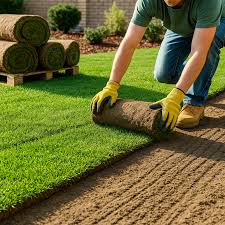
Last updated: September 10, 2026
Key Takeaways
- A 20-foot carry and a 100-foot carry are not the same job.
- A 500-square-foot lawn on open access is a very different job from a 500-square-foot lawn behind a fence with compacted clay and old roots.
- A 1,200-square-foot lawn with clean edges and a straight run is easier than 1,200 square feet split into islands, curves, tree rings, and narrow strips.
- A pallet of sod is not something a crew wants to carry 80 feet by hand through a narrow gate if they can avoid it.
Sod installation pricing usually comes down to four things: how much square footage you need covered, what has to come out first, how much the ground has to be corrected, and how hard it is to get materials to the area. Know those four pieces — yard size, removal, grading, and access — and the quotes make a lot more sense. No guesswork.
Who this is for, and what I’m assuming you already know

This is for a homeowner or property manager who wants a straight answer before calling three or four sod installers. I’m assuming you already know the rough area you want sodded, even if it’s only “the front yard plus a side strip,” and that you understand sod is sold by square foot or pallet, not by “a yard” in the landscaping sense. I’m also assuming the goal is a finished lawn, not a temporary green cover for a construction project.
The biggest pricing mistake I see is treating sod as a simple material purchase; if you’re unsure, consult a professional and compare local bids. It isn’t. A quote can swing a lot depending on whether the crew is laying over bare soil, stripping old turf, hauling away debris, fixing slope, or squeezing through a narrow side gate. A 500-square-foot lawn on open access is a very different job from a 500-square-foot lawn behind a fence with compacted clay and old roots.
I’m not going to pretend every market prices the same way. In some areas, clay subsoil and irrigation rules matter more; in others, haul-off fees or water restrictions change the job. If you live in a place with strict watering limits or heavy rainy-season soils, ask the installer how they handle establishment timing before you sign.
How yard size changes the number on the quote
Yard size affects pricing in two ways: material volume and labor efficiency. The larger the area, the more sod rolls or pallets you need, and the more hours it takes to prep, place, cut, and water-in the lawn. A small patch can cost more per square foot than a bigger, open rectangle because the crew still has to mobilize tools, unload material, and do the same finishing work.
Most installers price by square foot for the base install and then adjust for minimum labor charges. That means a 150-square-foot repair can still carry a minimum-job price, while a 2,000-square-foot full yard may get a lower unit rate because the crew can work continuously. More square footage usually means more material, although labor does not always rise in a neat straight line.
Shape matters almost as much as size. A 1,200-square-foot lawn with clean edges and a straight run is easier than 1,200 square feet split into islands, curves, tree rings, and narrow strips. Every extra corner adds cuts, waste, and time. Trimmed pieces around beds, trees, and curves may not always be reusable. Funny how the last 10 percent eats the clock.
If you’re comparing bids, ask whether the quote is based on measured square footage or on a visual estimate. I would trust a contractor more if they can explain how they measured the area, especially if they mention a tape, laser measure, or scaled satellite image. If the number feels suspiciously round, it may be padded or guessed.
What removal adds: old sod, weeds, mulch, rock, and debris
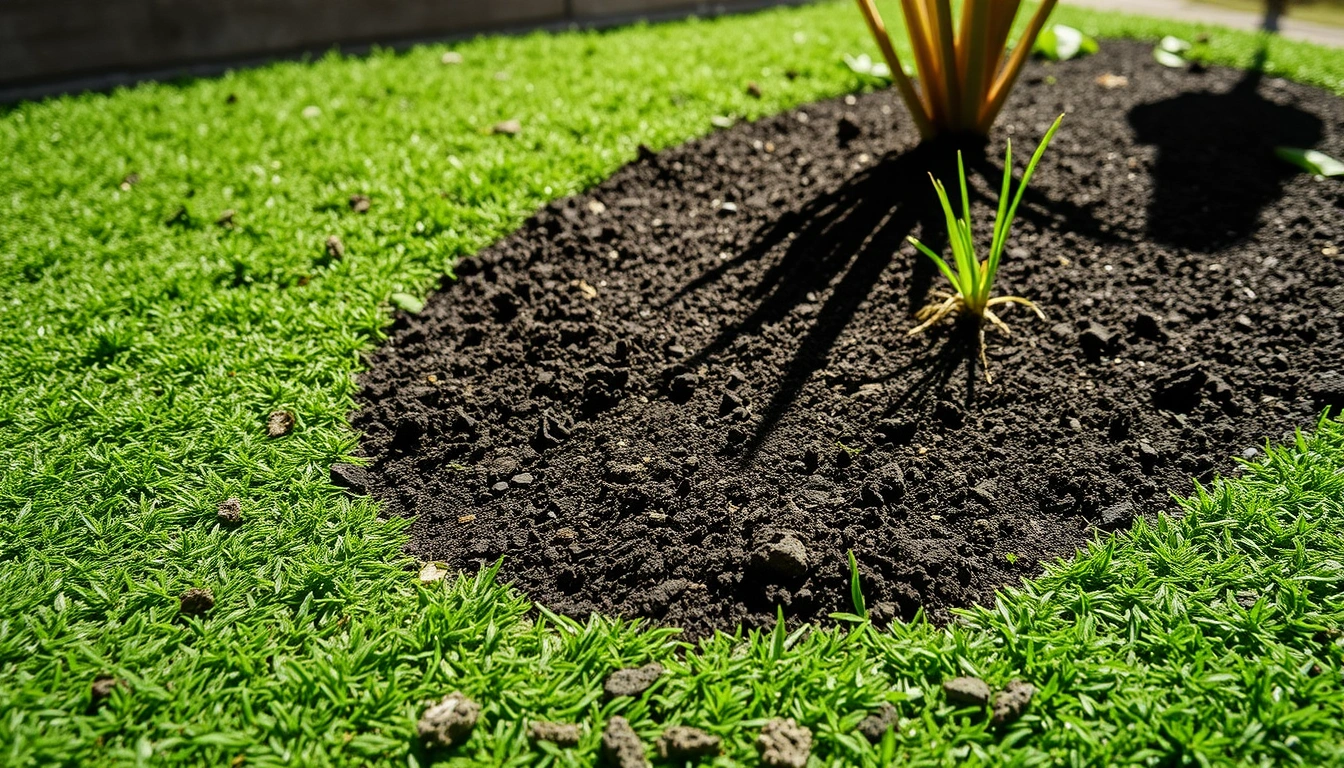
Removal can change the price as much as the sod itself because it adds labor, equipment wear, and disposal. If the installer has to remove existing turf, they usually strip the top layer, haul it away, and then prepare the subgrade below. That is much more than “laying over the top.”
Old sod removal is one cost. Weed-heavy areas are another, because roots, stolons, and rhizomes can survive if the area is not fully cleaned out. Stripping out ivy, bermudagrass runners, or invasive groundcover takes more time than cutting a clean cool-season lawn. If the area has gravel, broken concrete, stumps, brick, or buried landscape fabric, expect the price to move again.
Haul-off matters too. A contractor may charge for dump fees by load or bake disposal into the quote. If the job includes removing thick thatch, roots, or old mulch, the debris can fill a truck faster than a reader expects. That is one reason two quotes for the same square footage can differ by hundreds of dollars without either one being “wrong.”
The cleanest bid breaks removal into lines: existing turf removal, debris haul-off, and final soil prep. I would be cautious if removal is vaguely described as “site prep included,” because that can hide a lot of extra labor once the crew arrives. Ask what happens if they uncover buried debris after the old layer comes off. That question is worth asking before the truck is unloaded.
Why grading changes both price and outcome
Grading changes price because it changes the amount of earth that has to move and the skill needed to set the final slope. Grading means shaping the soil so water drains away from the house, doesn’t pond in low spots, and gives the sod a stable bed. It is not the same as “raking it smooth.”
Light grading on a mostly level yard is usually a finish pass: fill a few low spots, shave a few highs, and establish a uniform surface. Heavy grading means moving material across the site, importing topsoil, or reworking a bad slope. If the yard has settled trenches, a recent irrigation trench, or a dip that holds water after rain, the job takes longer and costs more.
The technical term here is subgrade, which means the prepared base soil under the sod. If the subgrade is uneven, the sod will follow it. That creates humps, seams, and shallow depressions that show up later when the grass is established. A cheap quote that skips grading can leave you with a lawn that looks fine for a week and then fails at the first hard rain.
I would ask any installer whether the quote includes a final grade measured in inches of adjustment or only “minor leveling.” In ordinary residential work, a few inches of correction is common; major recontouring is a different scope. If a contractor says the existing slope is fine even though water already pools there, that is a bad sign. Sod does not fix drainage by itself.
Why access can turn a straightforward job into a slow one
Access affects price because sod is bulky, heavy, and awkward to move. A pallet of sod is not something a crew wants to carry 80 feet by hand through a narrow gate if they can avoid it. The farther the material has to move from driveway to installation area, the more labor you pay for.
A wide driveway, clear side yard, and flat route to the work zone make the job faster. Tight access does the opposite. Think 36-inch gates, steep side yards, stairs, retaining walls, pool enclosures, or backyard areas only reachable through the house or over a long cart path. Those are the conditions that increase labor most visibly.
Access also includes where the crew can park, stage material, and load out debris. If trucks cannot get close, the crew may need wheelbarrows, hand-carrying, or smaller equipment. That slows both removal and installation. In some cases, the installer will add a delivery fee or a “difficult access” charge because the standard pallet-drop plan no longer works.
Ask how far the sod must be moved from the drop point to the farthest installation point. A 20-foot carry and a 100-foot carry are not the same job. If your backyard is fenced and the only opening is a narrow gate, mention it early. That one detail can change the entire quote and the schedule. Short walk, easier bill. Long walk, not so much.
How to compare quotes without getting fooled
A useful quote separates material, removal, grading, access, and finishing work. If it only gives you one lump sum, you can’t tell what is actually included. I would want the estimate to state square footage, sod type, prep scope, haul-off, and whether watering-in is part of the job or left to you.
The first number to check is the measured area. Measure length and width in feet, then subtract patios, beds, paths, and other non-sod areas. For irregular shapes, break the yard into rectangles and triangles instead of guessing. Even a rough sketch with dimensions helps. A contractor should be able to explain any major difference between your number and theirs.
The second number is the prep scope. Ask whether the bid includes:
– removal of existing turf or vegetation
– rough and final grading
– soil amendments or topsoil
– compaction correction in ruts or settled spots
– debris hauling
– delivery staging
The third check is schedule. Sod should be installed and watered promptly after delivery. If the crew says the turf may sit out for many hours in sun and wind, that is a problem. Fresh sod dries fast at the edges, especially in warm weather.
I would also ask what counts as a change order. If they uncover buried rock, saturated soil, buried irrigation line, or unusable access after starting, does the price change? A fair contractor will tell you up front what triggers a price adjustment.
When the standard approach does not apply
The standard “remove, grade, and install” approach breaks down in a few specific situations. In each one, the quote should change, and if it does not, I would be wary.
Water stays on the site for more than a day after rain: that means drainage is not just a finish problem — the subgrade may need rework or a different groundcover, not just fresh sod.
The area is steeper than about 3:1 slope: that is a steep slope for many residential lawns — sod may need stapling, erosion control, or a different design approach.
The yard has heavy tree root exposure: that means the surface is too shallow or uneven for simple grading — the installer may need to raise or redesign the bed.
Access is through a narrow gate or inside courtyard: that means hand-carry labor will rise — expect slower installation and a higher labor charge.
Existing grass is invasive or tangled with debris: that means removal will take longer and may need repeated passes — do not accept a quote that assumes quick strip-out.
The soil is extremely compacted clay or construction fill: that means sod roots may struggle unless the top layer is loosened and improved — a surface-only job is the wrong fix.
If any of those apply, the cheapest quote may be the least complete one. The right move is to ask for a revised scope, not a bargain version of the wrong plan.
The mistakes people make, and what they cost
The first mistake is undermeasuring the lawn. If you round down by 200 square feet, you may run short on sod or pay a rush fee for a second delivery. The fix is to measure every section and subtract non-sod areas carefully.
The second mistake is skipping removal when the old surface is uneven. Sod laid over bumps, dead turf, or root mats can root poorly and look lumpy within weeks. The better alternative is full strip-out where the existing surface is broken or unhealthy.
The third mistake is assuming grading means “a quick rake.” A rake will not correct drainage or settle a washboarded subgrade. The alternative is a proper finish grade with fill, cuts, and a final check for slope away from structures.
The fourth mistake is ignoring access until install day. That can force hand-carrying, delays, or an unplanned surcharge. The better choice is to describe the gate width, side-yard clearance, and parking limits when you request the bid.
The fifth mistake is choosing the cheapest quote without asking what is excluded. A low number may leave out haul-off, soil, or prep, then grow once the work starts. The better alternative is a line-item estimate with the job scope written plainly.
How long sod installation usually takes, and what a good job looks like
A small, open lawn can often be finished in a day, while a larger yard with removal and grading may take two days or more. The time depends less on the sod itself than on prep. A clean 800-square-foot install on easy access is not the same as the same area with old turf, poor drainage, and narrow entry.
A good result starts with a flat, consistent subgrade, not a patchy one. Seams should be tight, edges cut cleanly, and the sod should sit flush without obvious lips between pieces. There should not be soft pockets, exposed soil gaps wider than a couple of inches, or low spots that collect water after the first rain.
The best installers also leave you with clear watering instructions for the first 1 to 2 weeks, because establishment matters as much as installation. In warm weather, sod can dry quickly, especially on edges and slopes. If the crew finishes and gives no guidance on watering frequency or first-week traffic limits, that is incomplete work.
If you want one rule of thumb to carry into pricing conversations, use this: every layer you ask the crew to fix before the sod goes down adds value, but it also adds labor. Removal, grading, and access are not hidden charges; they are the work.
Questions people ask before they call for quotes
Sod pricing is most predictable when you ask direct questions and force the scope into the open. The answers should tell you whether the quote is realistic or incomplete.
How do I know if I need removal or just grading? If the existing surface is healthy, level, and free of debris, you may only need grading. If it is patchy, weedy, lumpy, or root-bound, removal is usually the better choice.
Why do two installers quote different prices for the same lawn? One may include removal, haul-off, and grading while the other is pricing only labor to lay sod. The scope matters more than the headline number.
Does access really change the price that much? Yes. A long carry, narrow gate, stairs, or poor parking can turn a simple job into slow manual labor.
What should I ask before I sign? Ask for square footage, prep scope, removal method, grading details, access assumptions, and what triggers a change order.
What does a bad sod job look like? It looks like visible seams, lifted edges, pooling water, uneven seams, and turf laid over a bumpy base. If you see those on day one, they usually get worse.