

Last updated: October 25, 2026
Quick Answer: A practical sod care tools and supplies kit usually starts with 5 core items: a sprinkler or timer, a sharp mower blade, a roller, a soil probe, and a spade. If the lawn is patchy, lumpy, or full of thin spots, the fastest fix is not “more seed” by itself; it is having the right sod care supplies on hand for the stage you are in: installation, rooting, watering, mowing, repair, or winter prep. The wrong kit wastes money, and the wrong tool can set a new sod job back by weeks.
I write about turf care, landscape maintenance, and outdoor equipment selection, so I know the difference between a decent-looking catalog list and a set of sod care tools and supplies that actually solves a turf problem.
Key takeaways
- New sod fails most often from poor contact with the soil, uneven moisture, and the wrong mowing schedule, not from a lack of fertilizer.
- A roller, sharp mower blade, soil knife, irrigation timer, and a simple soil probe solve more problems than a cart full of specialty products.
- For homeowners, a basic setup is often enough: hand tools, a hose-end sprinkler or timer, starter fertilizer, and a way to check moisture in the top few inches.
- The biggest mistake is buying “lawn rescue” products before solving drainage, grading, or irrigation coverage.
- If the yard has standing water, deep shade, or heavy compaction, supplies alone will not fix the site.
- For many small lawns, a simple kit is enough; for larger or harder sites, the tools list grows with the job.
What actually belongs in a sod care kit?
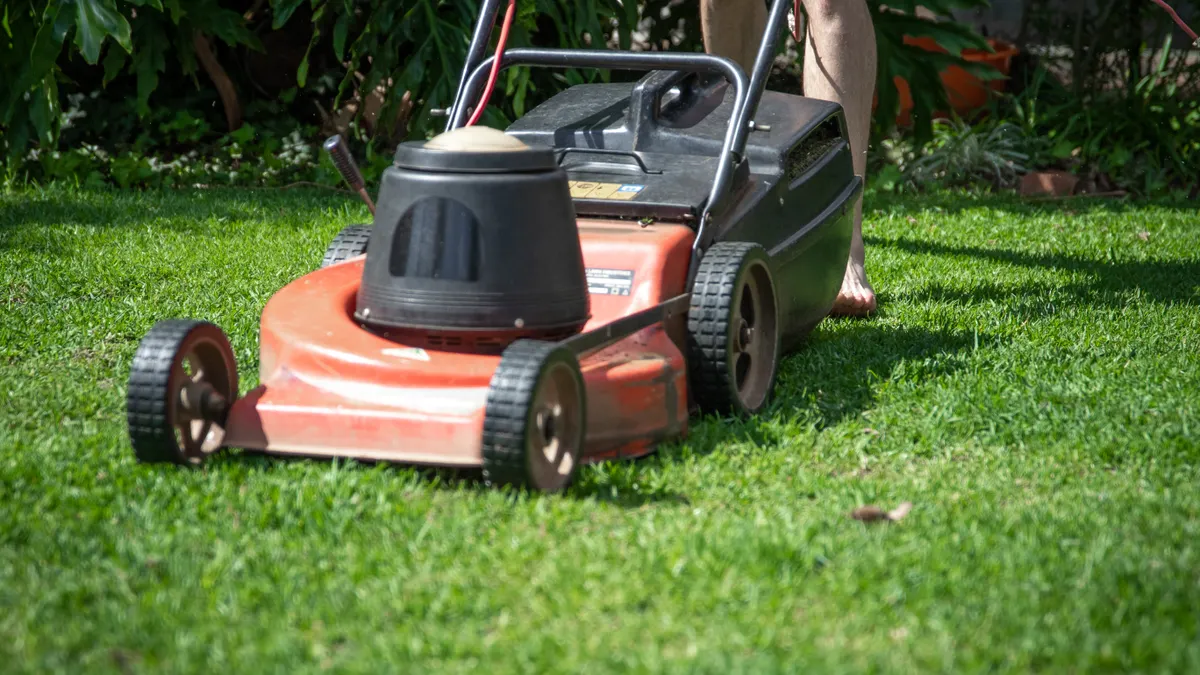
A sod care kit should cover five jobs: prepare the base, press the sod into contact, water evenly, maintain the blades, and repair weak spots. That means the core list is smaller than most people expect. The essentials are a flat-head shovel or spade, a sod knife or utility knife with fresh blades, a lawn roller, a sprinkler or irrigation timer, a soil probe or long screwdriver, a spreader, and a mower with a sharp blade.
The real dividing line is not brand name; it is function. A homeowner installing a small front yard can get by with a hose-end sprinkler, a manual spreader, and a basic roller. A property with slopes, clay soil, or more than a few hundred square feet of sod often needs more control: a hose timer or smart controller, a heavier roller, and a topdressing rake to smooth seams before roots knit in.
One common omission is a way to inspect the root zone. A 6-inch screwdriver pushed into the soil tells you more about moisture and compaction than any bag label. If the shaft stops hard in the top couple of inches, the soil is too dry or too tight for roots to move well. Another omission is blade maintenance. A dull mower tears new sod and turns clean edges brown.
A good kit also avoids clutter. “Lawn repair” bundles often include high-nitrogen weed-and-feed products that are poor choices for fresh sod. Newly laid turf needs establishment, not a flush of soft growth.
According to extension guidance from the University of Massachusetts, fertilizer choices for turf should match the lawn’s stage and local conditions, and the U.S. Environmental Protection Agency warns that excess nutrients can contribute to runoff pollution. See: https://extension.umass.edu/turf/ and https://www.epa.gov/nutrientpollution/sources-and-solutions-nutrient-pollution.
New sod: which supplies matter in the first 30 days?
New sod needs water management more than almost anything else in the first month. The right sod care supplies are the ones that keep the upper soil damp without drowning the roots. That usually means a sprinkler with even coverage, a timer, a roller for initial contact, and a starter fertilizer that is appropriate for new turf.
A roller matters on day one because it presses the sod against the soil so the roots can bridge into the ground below. Too much pressure is a problem on soft soils, but skipping the step leaves air gaps under the sod, and those gaps dry out fast. The goal is firm contact, not compaction.
Watering equipment deserves more thought than it usually gets. A hose-end sprinkler may work for a small, rectangular patch, but irregular yards often need multiple heads or zones to avoid dry corners. A battery timer is a practical upgrade because it removes guesswork from early watering cycles. The listing should state whether the timer can run multiple start times per day, because that affects how often you can water in hot weather without standing outside all day.
A starter fertilizer is useful when it is applied at the right time and in the right amount. The label should be checked for nitrogen, phosphorus, and potassium, but the exact ratio matters less than whether it is meant for establishment. Many regions have phosphorus restrictions, so a local extension office or fertilizer guide can be the better source than a big-box shelf tag. For turf nutrient guidance, the University of Massachusetts Extension has a solid lawn fertilization resource, and the United States Environmental Protection Agency explains runoff concerns that come with excess fertilizer use: https://extension.umass.edu/turf/ and https://www.epa.gov/nutrientpollution/sources-and-solutions-nutrient-pollution.
The biggest weakness of the “new sod kit” approach is overbuying specialty liquids. Root stimulants, soil tonics, and microbial boosters can be helpful in some cases, but they do not replace consistent moisture or solid soil contact. If the budget is tight, put money into irrigation coverage and a mower blade before chasing additives.
What is the difference between basic and pro-grade sod equipment?
Basic sod care supplies are fine for a small yard with good soil and predictable weather. Pro-grade equipment wins when the site is large, uneven, or difficult to water. The difference shows up in coverage, durability, and how much guesswork the gear removes.
Basic gear usually includes a hand spreader, a hose-end sprinkler, a standard steel rake, a flat spade, and a lightweight roller. That is enough for a simple installation, a patch repair, or routine maintenance. The downside is slower work and less precision. A hose-end sprinkler can miss edges. A small spreader can drop uneven bands of fertilizer or seed. A light roller may not flatten minor seams in thicker sod.
Pro-grade gear starts to matter when the lawn has multiple zones, slopes, or repeated drought stress. A better irrigation controller, larger-capacity spreader, heavier roller, and a soil probe make it easier to apply water and amendments consistently. In larger jobs, a power aerator or dethatcher may enter the picture, but those are not first-week tools for fresh sod. They are renovation tools.
The right choice depends on the problem. If the lawn is already level and only needs routine care, basic gear is the smarter buy. If the soil is compacted, the drainage is uneven, or the lawn has more than a few separate watering areas, the premium setup earns its keep by reducing missed spots and wasted labor.
The weakness of pro-grade gear is cost and complexity. It can also tempt a homeowner to solve a soil problem with hardware alone. A $300 controller will not fix clay that holds water for hours after rain. In that case, grading and drainage work matter more than the equipment.
The honest side-by-side: what changes the decision?
The following comparison is a simple way to choose between a basic setup and a more advanced one, and extension-style lawn guidance generally supports matching equipment to site size and complexity rather than buying the biggest option automatically.
| Criteria | Basic sod care setup | Pro-grade sod care setup | Winner for this condition |
|---|---|---|---|
| Best lawn size | Small to medium yards, especially under about 2,000 square feet of sod | Larger yards and multi-zone properties | Basic for compact lawns; pro-grade for bigger areas |
| Watering control | Hose-end sprinkler and timer | Multi-zone controller with better scheduling | Pro-grade where coverage is uneven |
| Setup speed | Slower, manual adjustments | Faster once configured | Pro-grade for repeated use |
| Budget pressure | Lower upfront cost | Higher upfront cost | Basic when the project is one-off |
| Precision on slopes | Moderate | Better control and consistency | Pro-grade on sloped lawns |
| Risk of overbuying | Lower | Higher if the site is simple | Basic for first-time homeowners |
| Durability | Sufficient for occasional use | Built for frequent use | Pro-grade for landscapers or heavy users |
| Skill required | Lower learning curve | More settings and maintenance | Basic for beginners |
| Best use case | Patch repair, a new small sod install, seasonal maintenance | Large installs, repeated repairs, difficult irrigation layouts | Depends on job size and site complexity |
The clear read is this: basic gear is the best default for most homeowners, and pro-grade gear is justified when the lawn makes watering and application genuinely hard. The trap is spending on pro-grade equipment for a simple, flat suburban yard. That money is often better spent on soil prep, drainage correction, or a better sprinkler layout.
Which supplies matter most for mowing, edging, and repair?
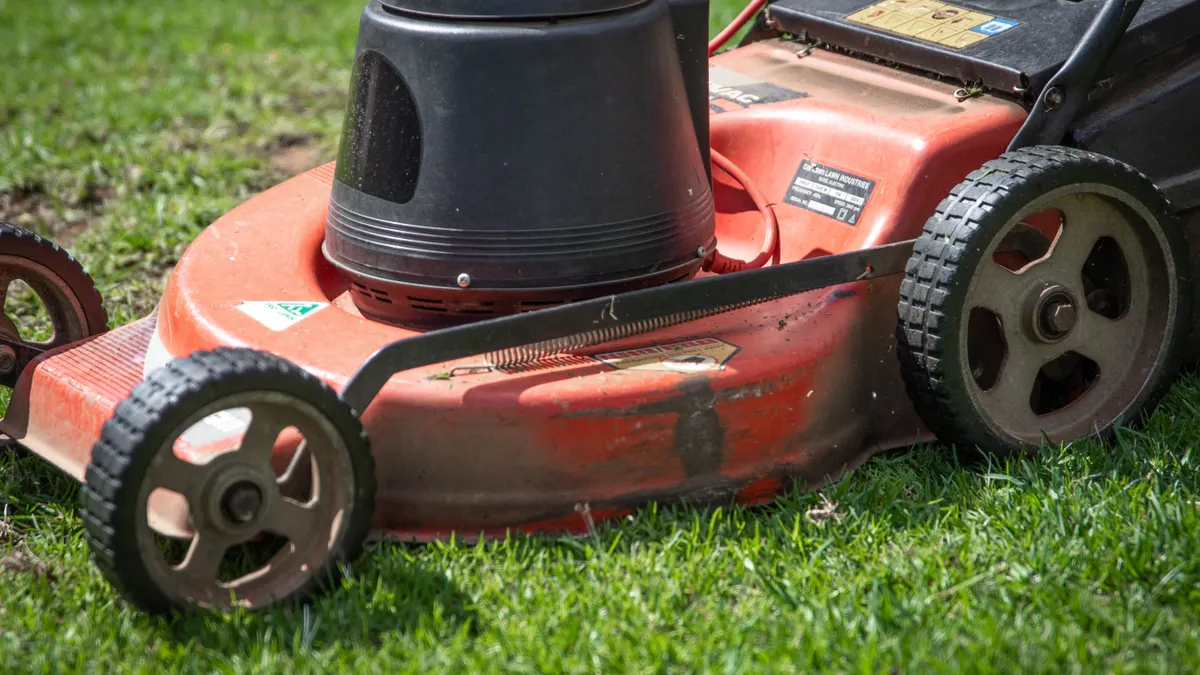
The mower blade is the most underrated sod care supply, because a sharp blade protects the turf more than almost any bottle or bag. New sod should be cut when it is rooted enough to resist a gentle tug, and the first cut should use a sharp blade set high enough to avoid scalp damage. A dull blade tears leaf tips, which dries into a pale fringe and makes the sod look stressed even when the roots are fine.
A string trimmer or edging tool matters, but only after the sod is established enough to tolerate it. On new installations, it is safer to finish edges with hand shears or a careful mower pass than to chew into the seam with a trimmer head. Once the turf is rooted, edging keeps sod from creeping into beds and helps define the lawn line.
For repairs, the most useful tools are a sharp spade, a replacement plug cutter or knife, and a bag of compatible sod or plugs. That compatibility matters more than people think. A warm-season lawn patched with the wrong grass type can look fine for a few weeks and then stand out in color, leaf width, or growth rate. The same applies to cool-season lawns. Matching species and cultivar is the cleanest repair.
A topdressing rake or leveling rake helps with shallow dips and seam lines. It is not a magic fix for a badly graded yard, but it can improve contact and reduce trip points. A compact spreader helps if you are filling small bare spots with seed in a repair zone, although seed is a different strategy from sod and should be used only when the species and season make sense.
The main drawback of this category is that it is easy to confuse maintenance with renovation. If the lawn needs more than light leveling, the answer is often grading or drainage work, not a larger collection of repair gadgets.
How do you choose supplies for your climate and soil?
Choose sod care supplies around water behavior first, then around turf type. Sandy soil drains quickly and usually rewards a sprinkler setup that can hit the same area more than once in short cycles. Clay soil holds water and punishes overwatering, so the priority shifts to infiltration, runoff control, and tools that help you avoid saturating the root zone.
In hot, windy climates, the most reliable sod care supplies are the ones that improve consistency: a controller with multiple short runs, a sprinkler pattern that reaches corners, and a soil probe that shows whether the top few inches are drying too fast. In cool, wet regions, the threat is often too much water and poor air movement, which makes drainage and mowing height more important than extra irrigation hardware.
The turf species matters too. Warm-season grasses such as bermudagrass and zoysiagrass often respond differently to mowing height and recovery than cool-season grasses such as tall fescue or Kentucky bluegrass. The calendar, too, changes the supply list. Sod installed in late spring may need very different watering gear than turf laid in early fall.
One useful reference point is the local cooperative extension service. Extension publications tend to be more practical than product labels because they address local soils, rainfall, and grass species. The National Association of State Departments of Agriculture and state extension systems can help identify the right regional guidance, and many university turf programs publish free recommendations. A generic “all lawns” product list is weaker than local advice when the site has heat stress, shade, or heavy clay. See the USDA National Institute of Food and Agriculture’s extension network overview here: https://www.nifa.usda.gov/extension.
The limitation here is obvious: no supply can fully compensate for a bad site. Deep shade, poor drainage, or severe compaction will keep showing up no matter how many bags are in the garage.
When should you skip the gear and fix the site?
Skip the gear-first approach when the lawn has standing water, hardpan, severe grading issues, or chronic shade that limits turf growth. In those cases, the problem is not a lack of tools; it is a site failure.
If water puddles for hours after rain, irrigation equipment is the wrong first purchase. The better move is to correct slope, improve drainage, or change the planting area altogether. If a screwdriver barely enters the soil after rainfall, compaction may be the issue, and core aeration or soil amendment work may matter more than fertilizer. If the area gets only a few hours of direct sun, sod may survive poorly even with excellent care. That is a species and site-match problem.
A second case for skipping gear is a one-time, very small repair. If only a few seams need attention, a spade, a knife, and a bag of matching sod are enough. There is no reason to buy a large roller or a smart controller for a patch the size of a doormat.
A third case is a rental or temporary property. In that setting, long-lived equipment rarely makes sense unless the space is large or the lawn is an asset you manage regularly. Borrowing or renting may be smarter than owning.
The honest downside of this advice is that it can feel less satisfying than buying a full set of shiny equipment. But a lawn responds to water, light, soil structure, and cutting height before it responds to shopping.
What should you buy first if you want the fewest regrets?
Buy moisture control first, then cutting and contact tools, then fertilizer or specialty products. That order prevents the most common mistakes, and a local extension guide is the safest reference when timing or product choice is uncertain.
The first purchase should be a reliable watering method: a sprinkler with known coverage, a hose timer if the yard needs repeat cycles, or an irrigation controller if there are multiple zones. Without even watering, sod struggles to root.
The second purchase should be a sharp mower blade and a way to keep the sod in contact with the soil, such as a roller for installation or a leveling rake for repair. Those items protect the leaf tissue and help roots find the soil below.
The third purchase should be a spreader and a starter fertilizer if the site and local rules support it. After that come optional upgrades: soil probe, edging tool, dethatching rake, aerator, or a larger roller. Those are useful, but they are not the first-dollar items.
My recommendation is simple: choose a basic kit if you have a small, uncomplicated lawn and only need seasonal maintenance. Move up to a pro-grade setup only when the property is large, the watering layout is awkward, or the soil makes uniform care difficult. Neither route is right if the site itself is the real problem.
Choose a basic sod care setup if you are maintaining a modest yard, replacing a few damaged patches, or installing turf on a straightforward site with normal drainage. Choose a pro-grade setup if the lawn is large, the irrigation is complicated, or you need repeatable control over water and application. Neither is the right answer if the yard has standing water, severe shade, or grading problems that equipment cannot solve.
What mistakes cost the most money in sod care?
The most expensive mistake is watering with guesswork. A new sod install that dries out in the first week can fail fast, and a lawn that stays too wet can develop shallow roots and weak growth. In both cases, the loss is not just the turf; it is the time and labor needed to reset the project.
The second costly mistake is mowing too early or with a dull blade. Sod that has not knit to the soil can lift under a mower wheel, and a torn leaf edge takes weeks to recover cleanly. A mower set too low can scalp raised seams and expose root zones that dry out quickly.
The third mistake is buying products out of order. A homeowner may spend on weed control, color boosters, and specialty fertilizer while ignoring slope or sprinkler coverage. That sequence usually produces disappointing results and a closet full of unused bottles.
The fourth mistake is choosing the wrong grass patch material. A repair that uses mismatched sod may blend poorly in color or growth habit, especially across a cool-season and warm-season divide. The correct species match is more important than a fancy repair label.
The simplest way to avoid the trap is to treat sod care like a system, but consult a local extension office or qualified lawn professional if the yard has drainage or grading issues. Soil prep, water delivery, blade care, and timing all matter. A single “miracle” product usually does not.
FAQ
Do I need a roller for new sod?
A roller is useful when the sod needs better soil contact, especially on freshly prepared ground. It should be used lightly, because too much weight can compact soft soil and make rooting harder.
Can I fertilize sod right after installation?
A starter fertilizer is often used at installation or shortly after, but the label and local guidance should lead the decision. If the product is not meant for establishment, skip it and use a fertilizer designed for new turf.
Is a smart sprinkler controller worth it?
A smart controller is worth it when the lawn has multiple zones, uneven sun exposure, or repeated watering needs. On a small, simple yard, a basic timer may do the same job with less cost and less setup.
What is the one supply most homeowners forget?
A sharp mower blade is the most commonly overlooked item. It affects the first cut, the recovery from trimming, and the overall look of the turf more than most people expect.
Drafted with AI; not yet reviewed by a person.